
Table of Contents
Under-inflated Tyres
Under-inflated Tyres
Under-inflated Tyres
Under-inflated tyres: Research carried out by Michelin revealed that drivers are letting tyre pressure affect them financially.
Under-inflated tyres – how drivers are throwing money away without realising
There’s no doubt about it – motorists are throwing money away, and most of them don’t even know they’re doing it. All because tyre pressures aren’t being checked often enough. Here at Pellon Tyres, we see it day after day. Tyres coming off cars that, with the correct pressures, could easily have given another month or more of service.
The evidence is there in front of us every single day. The wear patterns tell the story far better than words ever could.
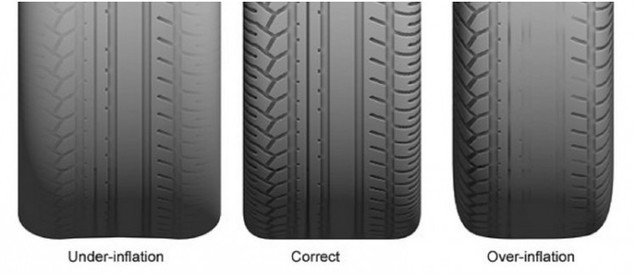
What under- and over-inflation really does to tyres
If you look at a tyre that’s been run under-inflated, the edges are worn away far quicker than the centre. An over-inflated tyre does the opposite – it wears down the middle while the edges look fine. Either way, the tyre is ruined before its time.
The biggest culprits?
SUVs and larger saloon cars.
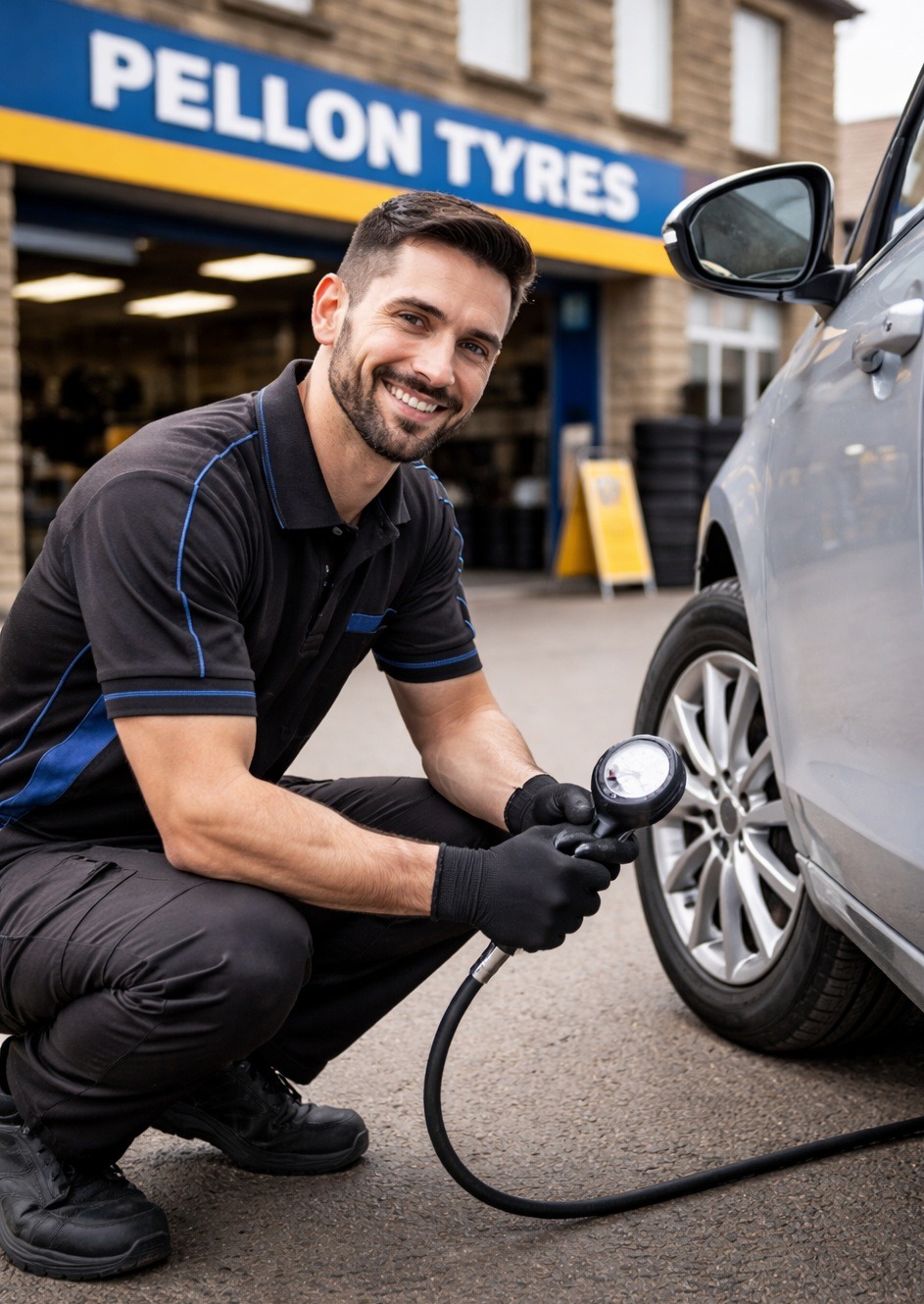
These vehicles are heavier, often run on wider tyres, and yet tyre pressures are checked less often than you’d think. Even though tyre prices have come down over the years, they’re still a costly item – especially on bigger cars. Letting them wear out early is money straight down the drain.
A costly national problem
Under-inflated tyres must be costing this country billions of pounds every year in premature tyre wear. And it’s not just tyres – fuel consumption rises too, because the engine has to work harder to push a car along on soft rubber.
There’s also a bit of a wider “throwaway culture” at play. Oddly enough, the more expensive the car, the less attention some drivers seem to give to the tyres. Fancy dashboards, big wheels, clever electronics – but tyres quietly neglected.
How tyre pressure affects handling and stability
Incorrect tyre pressures don’t just cost money – they change how your vehicle behaves on the road.
Most of us have followed a car towing a caravan on the motorway and noticed that unsettling side-to-side sway. In many cases, that’s down to one of three things:
- under-inflated tyres
- one tyre lower than the others
- overloading or incorrect load-rated tyres
The same thing can happen with cars. Under-inflation causes vague steering, poor stability, and a feeling that the car just isn’t planted properly. It leads to understeer or oversteer, especially when cornering or braking.
We’ve all felt it at some point – taking a bend a bit too briskly and the car doesn’t respond how you expect. If your tyres are near the legal limit or the pressures are wrong, that moment can quickly turn nasty.
All because tyre pressures haven’t been checked.
2026 safety update – why TPMS really matters
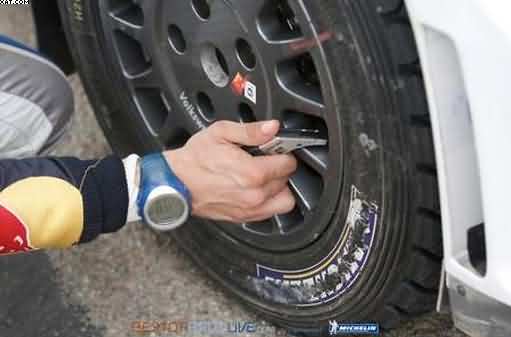
Modern cars now come fitted with Tyre Pressure Monitoring Systems (TPMS), and despite a few grumbles about another warning light on the dashboard, they’re a genuine step forward for safety and cost saving.
Here’s why TPMS changes things for drivers.
1. Early warning system
TPMS constantly monitors your tyre pressures and alerts you when one drops. Think of it as a quiet guardian angel looking after your tyres. It gives you the chance to act before a small issue becomes serious – or expensive.
2. Better fuel efficiency
Driving on under-inflated tyres is like walking through soft sand – it takes more effort. Correct pressures mean the car rolls more easily, saving fuel and keeping more money in your pocket.
3. Longer tyre life
Tyres aren’t cheap. TPMS helps reduce uneven wear by flagging pressure problems early, meaning tyres last longer and perform better throughout their life.
4. Environmental benefits
Less fuel used and fewer tyres thrown away means a smaller environmental footprint. Longer tyre life equals less waste and fewer emissions. A small system making a big difference.
5. Improved safety
Properly inflated tyres improve braking, grip and control – especially on wet or uneven roads. TPMS gives drivers one less thing to worry about while driving.
Why TPMS suits UK driving perfectly
Here in the UK, tyre pressures can change quickly. Cold mornings, wet afternoons, and sudden temperature drops all affect tyre pressure. From busy city streets to hilly Yorkshire roads and long motorway runs, TPMS keeps an eye on things when drivers don’t.
Around Halifax and Calderdale, with our hills, bends and mixed surfaces, having tyres at the right pressure really does matter more than people think.
Final thoughts from Pellon Tyres
Low tyre pressures cost money, reduce safety, and shorten tyre life – yet they’re one of the easiest things to prevent. Whether you rely on TPMS or old-fashioned manual checks, keeping tyre pressures right is one of the simplest ways to save money and stay safe.
Good tyre health isn’t just about avoiding punctures. It’s about making every journey smoother, safer and more economical.
If you’re unsure, pop into Pellon Tyres. We’ll happily check your tyre pressures free of charge and give honest advice – because tyres looked after properly always pay you back in the long run.