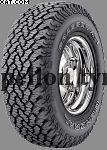
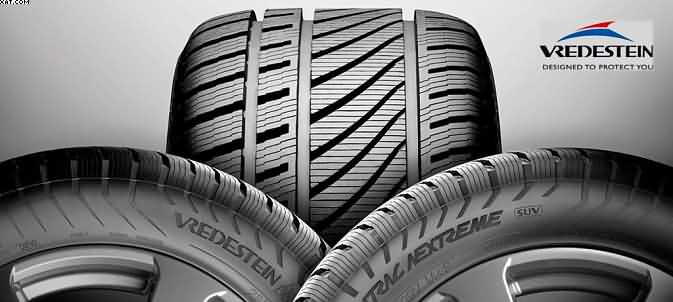
Of course, the compound on these tyres, is generated from computers. So, to provide the tyres with good tread pattern. Including, high-void all-terrain pattern with interlocking tread blocks. Significantly, this is also backed. So, by placing the sipes in a way that rejects and throws out pieces of grit and gravel. Firstly, at one time tyres with many sipes would also be noisy. Especially, when driving on normal tarmac roads. The General Grabber series of tyres, with all their siping. Of course, can now run much quieter. As a result, on normal tarmac roads, due to the computer design.
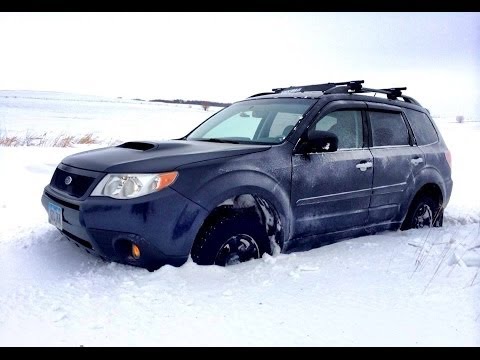
Subaru Forester XT-General Grabber Tyres Good Combination
This excellent video shows the quality and endurance of this Subaru car in thick snow. Consequently, equipped with General Grabber AT2 tyres.
The AT2 tyres have been a popular choice
for millions of drivers. Especially the drivers of SUV and 4X4 vehicles. Bridgestone 4X4 tyres are also popular, but General are the top of the pile.
The Forester, was fitted with 215/70R16 General Grabber AT2 tyres. of course the car had standard suspension, (not uprated). Thus this probably the reason for the car bottoming out a few times(this can be heard on the video).
The experiment with the tyres took place on a farm.
Of course, the filming took place with a video camera over a few days in winter. Snow had fallen to a depth between 3 inches and 2 feet. Thus giving the car plenty to think about during the tyre test.
General Grabbers are also very popular here in Halifax, Yorkshire, in the Pennine mountain range foothills. All types of drivers use the tyres, from farmers to families that live in the hilly areas. Therefore, they are well prepared for the snow that falls practically every winter.
This is the text that accompanied the video
Snow ranging from 3″ to close to 2 foot. I have about 9.5″ of ground clearance and you can hear it bottom out several times in the video on hard snow. Some highlights from a few days out on the farm (Iowa) this Winter with the FXT. Using 215/70r16 (28.1″ diameter) General Grabber AT2 tires (stock suspension). I didn’t have a camera man this weekend to take video from outside the car so we’re stuck with the video from my DVR207 dash man which isn’t that great. The rattling you hear is actually the slightly loose mic inside the camera.
So, here in Halifax, Northern England, the first snowfall fell in early November. Importantly, were winter tyres the order of the day?
This year 2022 we have heavy snow forecast for early December.
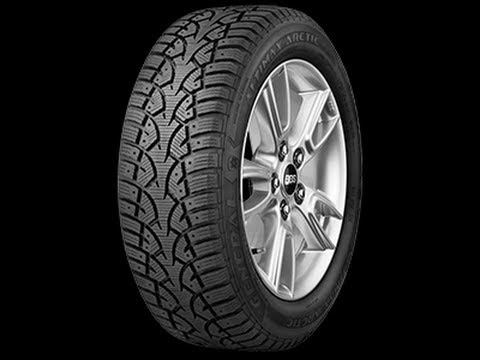
I am not complaining! However, we were very busy fitting snow tyres. one of our long standing customers. Hence bought a new set of 185R60T15 General Altimax Arctic Tyres for a total of £284, installed and out the door. The customer took our word for the quality and endurance of these winter tyres.
So, the driver who made this video, went a step further, “Since it seemed hard to find reviews of these online, I thought I’d whip up a short video.” The guy came up with the following facts
General Altimax Arctic some facts
1. These are great on dry roads. Hence, I have been driving them on dry pavement for the last couple of weeks. Consequently, they’re almost unnoticeable. Contrast that to the winter’s force. So, where they would throw you from side to side for the first 1 k to 1.5 k miles (need to really wear them in).
2. Wet pavement:
handled successfully and beautifully perfect traction during the two rain storms we had previously.
3. Sloppy wintery mix:
Unreal. Just watch the video above. The deep tread throws the slush off the wheels, so you don’t even notice it. Earlier in the day, I was driving my all season tyres on a different car, and the slush would throw the car from side to side and create that nasty sound hitting the wheel-wells.
4. Grip: Perfect.
Last year, this Camry had pretty bad tyres, so I’ve always viewed it as a death trap, in any type of winter weather. This test proved the complete opposite! So, now the thing feels like it has 4-wheel drive. The grip really is nice. So, early this evening, I was driving my Honda Accord. Importantly, with all-season tyres fitted, Subsequently, I was slipping and sliding on the side roads. Importantly, are there winter tyres on the Camry? Nothing. Felt great.
Eric Roberts
I’ll post more reviews as we roll into the season and we get deeper snow. I’ll try to make them a little more exciting too.
General Grabber AT wins second consecutive local 4×4 tyre test General Grabber dominates Drive Out / WegRy all-terrain tyre evaluation Top scorer in off-ro
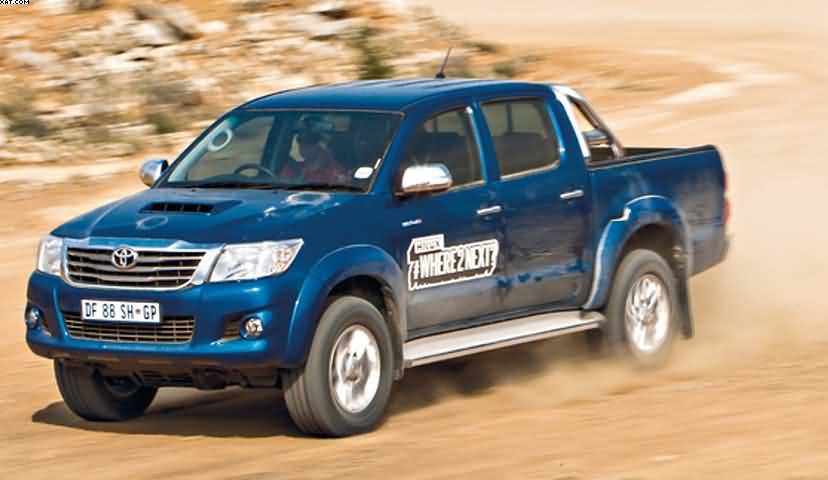
235/70×16- General Grabber AT wins 4×4 Tyre Test
Source: 3d-car-shows.com
General Grabbers are a winner
Here, in Halifax, UK, we are lucky enough to be living in a very hilly area. We are at the foot of the Pennine Mountain range that straggles through the centre of the UK.
We are also a farming area and the towns and cities soon turn into a rural setting, full of sheep farms in the upper regions. I am explaining this because these guys are the main ones that buy and indeed need 4×4 vehicles to get them around, especially in winter.
We are in a good central area to be able to sell tyres to these farmers (and repair millions of punctures?). The farmers of Yorkshire are well known for not parting with their money, so we have to offer them value for money, as the y always want “something for nothing”.
At one time, remoulds were popular for their Land Rovers,
but these were in the early days of cross-ply tyres, sizes like 600×16 and 750×16 on the long wheel base of Land Rovers. As the years rolled on, the 4×4 vehicles became fitted with radial tyre sizes, and many new makes of tyres were introduced into the country. Some came from America, where the 4×4 market was huge. Even the normal guy on the street would own a pick-up truck.
235/70×16: General Grabber AT wins 4×4 Tyre Test
In the beginning, the tyres were imported. Hence, by the bigger tyre companies. Such as Goodyear and some of their subsidiaries . Including Kelly tyres. As a result , they were famous in the States for some of their wide and large 4×4 tyres.
Thus. it became a big thing to see how large a tyre you could fit on your 4×4 truck. Smaller companies started to import tyres into the UK . Hence, for the 4×4 market,. Including Cooper tyres, BF Goodrich, and 235/70×16-General Grabber AT.
These tyres had a huge following in the USA.
Consequently, they were well advertised in the 4×4 magazines. That were being sold here in the UK. This also corresponded with the increase in the popularity of 4×4 trucks. Thus, those are now appearing here in the UK.
Many farmer’s sons were responsible for their initial popularity. Who were going off the traditional Land Rovers. So then onto the American-style pickup trucks. At the time, Nissan and Mitsubishi were importing them. The tyre that was racing ahead in popularity became the BF Goodrich (BFG), which was an on/off road tyre. This means that the tyre was comfortable to drive on a normal tarmac road but equally good when driven off-road in the fields and in mud and snow. BFG were the one to beat, but in my opinion, they became too expensive.
People started to try other cheap tyre products in the 4×4 tyre range and this is where the General Grabber came into its own. 235/70×16-General Grabber AT, was originally an American tyre, but as a result of the tyre takeover war, Continental Tyres purchased it to add it to their line of 4×4 tyres.
235/70×16: General Grabber AT wins 4×4 Tyre Test
This is what gave the General Grabber more recognition and it was not long before tyre retailers such as us were selling these tyres to the 4×4 market. The General Grabber began to outsell the BFG tyres with their AT (all-traction) range of on- and off-road tyres.
The other good advantage they had was that they were also priced in a lower price bracket, which suited the farmers and builders that were the main users of these types of vehicles.
TheGeneral Grabber still remains very popular today, with updated versions of the tread patterns. Pellon Tyre and Auto-Centre offer car and van servicing and repairs to all makes of vehicles.
Winter tyres are going to be on a lot of minds of many motorists this year – It is always possible that Great Britain could face a particularly harsh winter this year. It is possible that we could have snow falling from as early as November. Motorists who have bought a four-wheel drive car, probably think that they are properly prepared – but are they?
AutoExpress went up to Tamworth Snowdome.
This was to find out if a front-wheel drive car with winter tyres has more traction in the snow than a 4×4 with summer tyres fitted. They used two Ford Kuga cars, both with 2.0-litre diesel engines and manual gearboxes. But one is front-wheel drive and the other is all-wheel drive. The 4×4 Ford Kuga costs £1,500 more than the normal model.
I am always telling my customers
that in snowy conditions, the rubber in summer tyres gets harder and does not grip very well. Winter tyres use a softer compound and a tread pattern that’s designed to pick up snow and dissipate it, improving grip in these wintery conditions.
In their first test
we saw that the front-wheel-drive car on summer tyres was hopeless in the snow. However, when fitted with winter tyres, the car did much better. Furthermore, they also tested the 4×4 on summer tyres, and the results were very surprising.
With the winter tyres fitted, the normal Kuga went 110 metres up the slope, While the 4×4 car only made it 13 metres up, before sliding back down 9 metres. In the end, it ended up no further than the standard did with summer tyres.
Winter Tyres versus 4×4
They also tested the four-wheel drive Ford Kuga. This was fitted with winter tyres. As a result, the difference was astonishing. There was plenty of grip and the car drove all the way to the top of the steep ski slope, without any real effort.
Obviously, the best solution for driving on snow is to have a 4×4 fitted with winter tyres . It was proven that without the correct tyres fitted, a 4×4 is just as useless in snow and ice as the average two-wheel-drive car. We recommend using General Grabber AT2 Tyres for your SUV or 4X4.
Fore more videos visit: http://www.autoexpress.co.uk/videos/
Of course many people are visual. Including myself. So this is the reason that I include some videos in my blog posts.
British motorists tend to run summer tyres on their cars all year round, regardless of the weather. However, as our exclusive comparison test shows, this can be very dangerous.
We headed to Sweden where snow and ice is guaranteed. To point out the often overlooked. Comparing, the performance of Winter Tyres versus Summer Tyres and the results were quite shocking.
The primary differences between Winter Tyres and Summer Tyres
There are two types of tyres that are frequently used: Winter Tyres versus Summer Tyres. Despite their apparent similarity, they actually differ significantly in a number of important ways, making them appropriate for various seasons.
Winter Tyres
Summer tyres are intended to be used in temperatures above seven degrees Celsius. They have a tougher rubber composition that offers higher traction on dry surfaces.
Summer tyres have narrower tread patterns, which reduce rolling resistance, increase fuel efficiency, and lessen road noise. Summer tyres are also more responsive and provide superior handling, making them perfect for driving in a dynamic manner.
Seasonal tyres
Winter tyres are intended for use in settings where the temperature is below seven degrees Celsius. They offer superior traction on snowy and icy roads since they are constructed of a softer rubber compound that keeps its flexibility in freezing temperatures.
Winter tyres include deeper tread patterns with sipes, which serve to create more biting edges and increase traction on slick terrain. Moreover, winter tyres are made to divert water and slush, lowering the possibility of aquaplaning.
Winter Tyres versus Summer Tyres: have major differences.
Rubber Substance The rubber compound used in the production of summer and winter tyres is the primary distinction between them. Winter tyres are comprised of a softer rubber compound that remains malleable in subfreezing conditions and offers better traction on snowy and icy roads. Summer tyres are built of a stronger rubber compound that offers more grip on dry roads.
Tread Design The tread pattern is another key distinction between summer and winter tyres. The narrower tread patterns of summer tyres minimise rolling resistance, increase fuel efficiency, and quiet the road. Winter tyres, on the other hand, contain sipes and deeper tread patterns, which contribute to stronger biting edges and better traction on slick conditions.
weather circumstances Winter tyres are made to be used in colder weather, whereas summer tyres are made to be used in warmer climates. Winter tyres work best when it is below 7 degrees Celsius, whereas summer tyres work best when it is above 7 degrees Celsius.
Driving Capability Summer tyres are good for athletic driving since they have improved handling and are more responsive. Winter tyres, on the other hand, offer higher traction on snowy and slippery roadways, increasing overall safety in chilly weather.
Winter Tyres versus Summer Tyres
Conclusion
In conclusion, both summer and winter tyres have distinctive qualities that make them appropriate for various weather situations and seasons. Winter tyres are built for cold weather and offer better traction on ice and snowy roads, while summer tyres are made for warm weather and offer better traction on dry roads.
You may choose the best tyres for your automobile, ensuring the best driving performance and safety, and choose the proper tyres by being aware of the differences between winter tyres and summer tyres.
Even here in the UK we just dont know what the winter will throw at us? here at Pellon tyres in Halifax UK, we can recommend some good winter products, through experience and customer satisfaction.
Click here to view original web page at twitter.com
Here we are, with the summer of 2023 coming to a new start. Of course , we are hurtling towards June. Which is the traditional time to remove our winter tyres? Here in the Northern Hemisphere.
The funny thing is that we don’t know what to expect. So, will it be a mild or cold winter? Of course, places like Canada experience a bad winter every year, so they can prepare well in advance.
Most of our weather comes from the mild West Atlantic winds. However, last year produced the “Beast from the East.”. Britain was bombarded with freezing winds out of Russia.
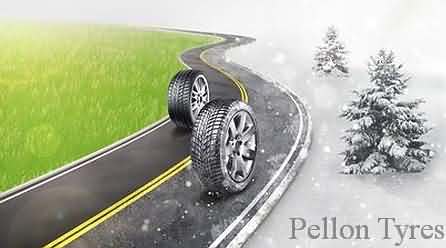
Why Winter tyres are Essential in the UK
Winter’s icy grip descends on the UK each year, and with it come treacherous road conditions. Slick, icy surfaces, snow-covered roads, and biting winds make for a hazardous combination, leaving drivers struggling to maintain control of their vehicles.
It’s during this time that winter tyres become essential. They offer superior grip, handling, and safety in challenging winter conditions. Let’s take a closer look at why winter tyres are so important in the UK.
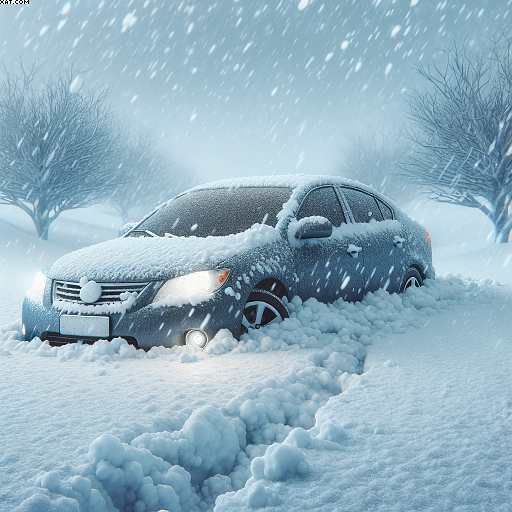
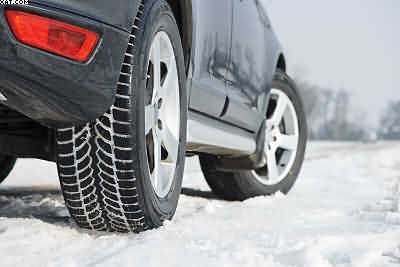
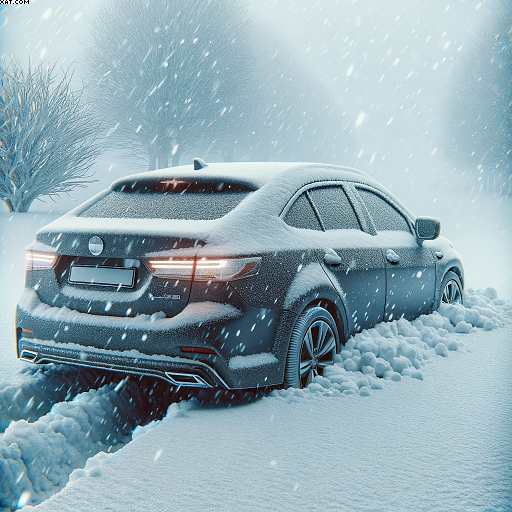
What are Winter Tyres? Winter Tyre-Blizzard Conditions
Winter tyres, also known as snow tyres, are designed specifically to perform in colder conditions. They feature a different tread pattern and rubber compound than regular tyres, making them better suited to tackle snow, ice, and slush.
The rubber compound used in winter tyres contains more natural rubber, which allows it to remain flexible in cold temperatures, providing better traction on icy surfaces. Additionally, winter tyres have a deeper tread pattern and wider grooves, which help them to expel slush and snow from the tyre, reducing the risk of aquaplaning.
Winter Tyre-Blizzard Conditions
It is important to realise what a devastating effect this can have on our transport system. The beast brought much snow and ice to most of the country. Installing winter tyres prepares prudent drivers.
Also, all-weather tyres became more popular. Tyre manufacturers were bringing out new tyres to cope with summer and winter conditions. General winter tyres became very popular at Pellon Tyres in Halifax UK.
Altimax Winter Plus tyres were becoming very popular. This year should be no exception ? In my opinion, the rule of thumb should be that your tyre requirements should suit the terrain where you are living.
Different terrains suit different tyre types.
Drivers who live in hilly areas should wear genuine winter tyres. Motorists in low-lying areas such as Lincolnshire and Norfolk. Consequently, it would be better to fit all-weather tyres. Although the East often suffers the most snow,?
Winter tyres offer superior traction on cold, wet, and slippery surfaces. The deeper tread pattern and softer rubber compound provide better grip on the road, making it easier to accelerate, brake, and steer in challenging conditions. The grooves in winter tyres are also designed to channel away water and slush, reducing the risk of hydroplaning.
I just thought that this was a great image of the Subaru battling through a blizzard. Unfortunately, I cannot make out the brand of winter tyres that were fitted. Hence, the tweet makes no mention of that either.
I am not even sure that this is a race or normal road conditions. Hence, the Subaru certainly looks well equipped with winter tyres.
In conclusion,
Winter tyres are an essential investment for drivers in the UK. They offer superior grip, handling, and safety in colder conditions, reducing the risk of accidents and providing peace of mind for drivers. While they may be more expensive than regular tyres, the benefits they offer are well worth the investment.
We use cookies to ensure that we give you the best experience on our website. If you continue to use this site we will assume that you are happy with it.