Category Archives: All Neutral Tyres Stuff

All Neutral Tyres Stuff

All Neutral Tyres Stuff

An old customer recently came into our tyre depot in Halifax, Yorkshire, UK. Fred as we will call him. Bought a second hand car from a lady whos husband had recently passed away. The car had been stood in a garage for a few years. Consequently, the car was in good condition. The mileage was 47000 and the car was a Vauxhall Vectra.
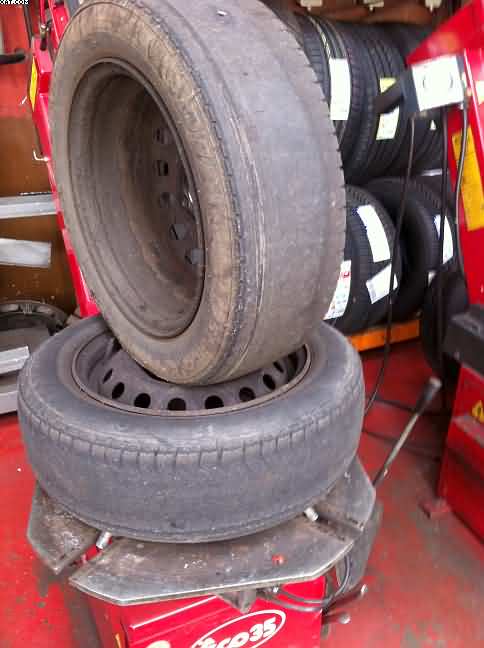
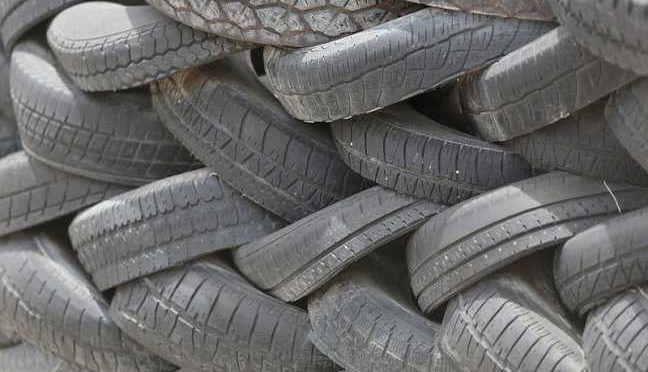
The vectra was in immaculate condition. However, Fred only wanted the tyres checking. The car had two makes of tyres fitted. Accordingly, two were Michelin zx and the other two were both BF Goodrich. The tyres had tell tale “cracking”. Hence, on the bead and shoulder area of the tyres. Cracking is a tell tale sign of aging tyres?

Checking Your Tyre Pressures

Checking your tyre pressures

Checking Your Tyre Pressures

Checking Your Tyre Pressures

90% of vehicles that visit our centres have the incorrect tyre pressure. Here’s our guide for how to check: https://t.co/A3iPzBrR2B

Checking Your Tyre Pressures

What if I don’t know my tyre pressure?
This is one of the enquiries I receive from some of my clients at Pellon Tyres in Halifax, Yorkshire, United Kingdom.

Apart from the internet, vehicle car manufacturers often place the tyre pressures in three locations of the car.

Tyre pressures – where to find them and why getting them right matters

One of the most common questions we’re asked here at Pellon Tyres and Autocentre is a simple one:
“What pressure should my tyres be?”

It sounds straightforward, but you’d be surprised how many drivers aren’t quite sure where to look or how important correct tyre pressures really are. Around Halifax and Calderdale, with our hills, bends and mixed road conditions, tyre pressures play a bigger role than many people realise.

Checking your tyre pressures

Where to find your correct tyre pressures

Manufacturers make it fairly easy – once you know where to look. In most cars, you’ll find the recommended tyre pressures in one of three places:

  1. Driver’s doorframe or door pillar: Checking your tyre pressures
    Open the driver’s door and look for a sticker on the body or door edge. This is the most common place and usually shows pressures for:
    • normal driving
    • fully loaded vehicles
    • motorway driving
  2. Inside the fuel filler cap: Checking your tyre pressures
    On some cars, the tyre pressure information is printed inside the petrol or diesel cap. It’s easily missed, but it’s always worth checking.
  3. Vehicle handbook
    The handbook will always list the correct pressures, often with extra detail for different loads and driving conditions.

If you’re ever unsure, and you’re in the Halifax area, we’re always happy to supply the correct details while checking your tyres.

Keep your own tyre pressure gauge: Checking your tyre pressures

Although we’re happy to check tyre pressures free of charge, it’s still a good idea to carry your own tyre pressure gauge as part of your car’s toolkit. They’re small, inexpensive, and easy to keep in the car – often tucked under the dash or stored with the locking wheel nut key.

You can pick them up from most car accessory shops, and good-quality ones are also available from well-known names such as Michelin, as well as UK road safety organisations like the AA and the RAC.

It’s a small investment that can save you money and trouble in the long run.

Simple but important tyre pressure tips

Over the years, we’ve picked up a few straightforward tips that every driver should remember when checking and inflating tyres.

a. Look after your valve caps
Always put valve caps somewhere safe when checking pressures. They’re easy to drop and forget about. If the caps are cracked, missing or damaged, replace them. They keep dirt and moisture out of the valve, which helps prevent slow leaks.

b. Be gentle with tyre valves
Try not to damage the threads on tyre valves. Many modern cars are fitted with Tyre Pressure Monitoring Systems (TPMS), and those valves can be expensive to replace if damaged. Don’t force the pressure gauge or airline onto the valve – if it doesn’t feel right, stop and adjust.

c. Check pressures when tyres are cold
This is one of the most important points. Always check tyre pressures when the tyres are cold – ideally before you start a journey. Driving heats tyres up, increasing the air pressure inside them and giving you a false reading. Checking them hot can lead to under-inflation once they cool down again.

d. Double-check each tyre
It’s good practice to check each tyre more than once. This helps ensure you’ve got a proper seal between the gauge and the valve, giving an accurate reading.

Why correct tyre pressures matter: Checking your tyre pressures

Driving with incorrect tyre pressures can affect far more than just tyre wear. Under-inflated tyres can:

  • increase braking distances
  • reduce steering control
  • cause the car to pull to one side
  • increase fuel consumption
  • lead to overheating and tyre failure

Over-inflated tyres aren’t good either. They reduce the tyre’s contact with the road, giving less grip and a harsher ride – something you’ll definitely notice on Calderdale’s uneven roads.

Local roads make it even more important

The hills and winding roads around Halifax put extra demands on tyres. Incorrect pressures make cars feel unsettled on descents and less stable in corners. Add wet weather into the mix – something we see plenty of – and tyres really need to be in top condition to keep you safe.

That’s why regular checks are so important, especially before longer journeys or motorway driving.

Free tyre pressure checks at Pellon Tyres

Any good tyre centre should check tyre pressures free of charge, and that includes us here at Pellon Tyres. It’s a simple job, but it makes a big difference to safety, comfort and running costs.

Whether you’re popping in for a quick check, a service, or just want some honest advice, we’re always happy to help.

Final thoughts

Correct tyre pressures aren’t something to guess at. They’re clearly listed, easy to check, and quick to adjust – yet they’re often overlooked. Taking a few minutes now and then to check them can save money, improve handling and help keep you safe on the road.

If you’re unsure, don’t worry – just call in and we’ll sort it for you. Sometimes the simplest checks are the most important.

Winter Pirelli Sottozero Tyres

Winter Pirelli Sottozero Tyres

Winter Pirelli Sottozero Tyres

Winter Pirelli Sottozero Tyres

Winter Pirelli Sottozero Tyres- done properly – why the right rubber really matters

Every winter, the same conversation crops up here at Pellon Tyres.
“Do I really need winter tyres?”
“Surely all-season tyres will do?”
“I don’t drive to the Alps, just round Halifax.”

And every year, the weather – and the roads – give us the answer.

This article originally took inspiration from the stunning Alpine roads of northern Italy, where powerful saloons glide through snow-covered mountain passes on the correct tyres. It might feel a world away from Calderdale, but the lesson is exactly the same whether you’re climbing an Italian ski road or easing down Boothtown in sleet.

Winter Pirelli Sottozero Tyres

Italian cars, Italian tyres – a perfect match

There’s something rather fitting about seeing a Maserati running on Pirelli Winter Sottozero 3 tyres. Italian flair on Italian rubber – and more importantly, the right tyre for the job.

The Pirelli Winter Sottozero range was developed specifically for high-performance cars and sports saloons. These are vehicles designed to cruise comfortably at serious speeds on the German autobahns, then head straight into snow-covered Alpine roads without missing a beat. That sort of driving simply isn’t possible on summer tyres once temperatures drop.

The Sottozero 3 gives:

  • excellent grip in cold conditions
  • predictable handling on snow and slush
  • stability when braking and cornering
  • confidence instead of white-knuckle driving

And that’s the key word – confidence.

Why winter tyres aren’t just for the Alps: Winter Pirelli Sottozero Tyres

Now, before anyone in Halifax says, “I’m not heading to Switzerland,” let’s be clear. Winter tyres aren’t just about deep snow. They’re about temperature.

Once the thermometer drops below around 7°C, summer tyres start to harden. Grip reduces. Braking distances increase. Steering becomes vague. That’s when winter tyres come into their own, even on cold, damp Yorkshire roads.

Anyone who’s driven early morning through Calderdale in January will know the conditions:

  • cold tarmac
  • damp roads
  • frost in shaded areas
  • the odd surprise patch of ice

That’s exactly where winter tyres make a difference.

Other Pirelli winter options – not just Sottozero

While the Winter Sottozero range is ideal for performance cars, Pirelli also produces other excellent winter tyres depending on the vehicle and driving conditions.

For small to medium cars, the Pirelli Cinturato All Season is a popular choice. This tyre can be left on all year round and offers a sensible balance for drivers who want convenience without swapping wheels twice a year. It’s particularly suited to drivers who mostly stick to town and main roads.

However, if you live in more northerly regions or areas that regularly see heavy snowfall – think Scandinavian conditions – then Pirelli’s Scorpion Ice & Snow tyre is the one to go for. It’s a more aggressive winter tyre, designed for harsh conditions in places like Norway and Sweden.

SUVs and winter weather – a word of warning

One thing we see a lot around Halifax and Calderdale is drivers assuming their SUV will cope with winter weather automatically. Sadly, that’s not the case.

Most SUVs leave the factory on summer tyres, and in bad weather they can be surprisingly useless. Four-wheel drive doesn’t help if the tyres can’t grip.

For this reason, Pirelli recommends the Scorpion Winter range for SUVs. These tyres are designed to cope with:

  • heavier vehicles
  • higher centres of gravity
  • cold, wet and snowy conditions

With the right tyres fitted, an SUV becomes what people expect it to be in winter – safe, stable and dependable.

Bringing it back to Yorkshire roads: Winter Pirelli Sottozero Tyres

You don’t need Alpine hairpins to justify winter tyres. Halifax’s hills, tight bends, shaded valleys and ever-changing weather are more than enough. Add in early morning commutes and late-night drives home, and tyres really start earning their keep.

At Pellon Tyres, we don’t push winter tyres on everyone – but we do explain the facts. The difference in braking distance alone can be the difference between stopping safely and sliding into trouble.

Winter Pirelli Sottozero Tyres

Final thoughts from Pellon Tyres

Winter tyres aren’t about speed or style – they’re about control and safety. Whether it’s a Maserati on an Alpine pass or a family car heading down a frosty Yorkshire hill, the principle is the same: the right tyre for the conditions.

Pirelli has built a strong reputation in winter tyre technology, and their range covers everything from high-performance saloons to everyday cars and SUVs. Other brands are equally capable, but Pirelli’s following is well deserved.

If you’re unsure whether winter tyres, all-season tyres, or sticking with summer tyres is right for you, call in and have a chat. We’re always happy to give honest advice – no pressure, just straight talking.

Sourced through Scoop.it from: tyres.pirelli.com

Winter Tyres Tweet

Winter Tyres Tweet

Winter Tyres Tweet

Winter Tyres Tweet
Winter Tyres Tweet

Winter Tyres Tweet,

The moment when you realise you should have bought winter tyres #scottishwinter #winteriscoming https://t.co/Df8PNOBBbK

Eric Roberts sourced through Scoop.it

This is the problem? it is often too late if you did not get prepared for bad weather before the winter. Many drivers simply get caught out, when the snow arrives unexpectedly. This Winter Tyres Tweet shows the point.

I also think that it is the younger generation of drivers, who seam to be the ones caught out? I think it may be the “it will never happen to me scenario”. It is important to fit winter tyres before the onset of winter, then you know that you will be much safer, and winter can throw all it wants at you, at least you will stand a chance.

I am convinced that the tyre trade

are not targeting young drivers when it comes to teaching about tyre safety. As the owner of Pellon Tyre in Halifax, UK, i am finding it more common for young drivers to make tyre-related mistakes that only slight observations would correct.
This includes running on tyres that are completely bald and well over the legal limit. many young drivers, including married and single people, do not appear to know or just do not want to know anything about

Winter tyres tweet
Snowflake emblem on the tyres sidewall, winter tyre marking

the car, especially the tyres?
This brings me back to winter tyres. Any driver who fits winter tyres on a regular basis, knows how much safer it is to drive about in winter weather.

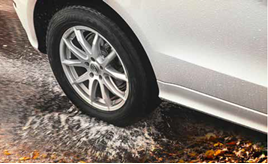
Even in heavy rain,

Hence, the driver will feel much safer. Especially with a good set of winter tyre fitted to their car. You can handle anything that a British winter can throw at you.
Some of these young drivers are driving around without any tread. Scarily, on their summer tyre, never mind winter tyres.

Winter Tyres tweets from these drivers. hence, are also the ones that take the risks on bends and speeding on our roads. This is combined with bald tyres.

Consequently, this is a recipe for disaster.

Unfortunately, this is what happens. How often do we see a car on its roof in a ditch? too often, many would say.
So lets target young drivers with more education about tyre safety and the use of winter tyres.

from: twitter.com

Tyre Inspection Imperative

Tyre Inspection Imperative

Tyre Inspection Imperative

Tyre Inspection Imperative – why regular checks really matter

In today’s fast-moving traffic and ever-busier roads, it’s never been more important to keep an eye on your tyres. Cars are quicker, roads are more congested, and journeys often involve a mix of town driving, fast A-roads and motorway miles. Against that backdrop, the phrase Tyre Inspection Imperative” has never rung truer.

Here at Pellon Tyres, we see first-hand what happens when tyres are ignored. Many customers simply don’t realise how much difference one tyre can make to the way a car handles, stops and keeps you safe. A tyre isn’t just a round bit of rubber – it’s the only thing connecting your car to the road.

One tyre can change everything: Tyre Inspection Imperative

A surprising number of drivers don’t notice a slow puncture or gradual loss of pressure. We had a chap in recently who openly admitted he’d had a screw in his tyre for weeks. His solution? Pump it up every week and carry on.

He genuinely thought he was doing the right thing.

In reality, he’d probably been driving up and down the motorway with a tyre running at half the correct pressure. That’s a frightening thought when you consider braking distances, steering response and heat build-up at speed.

Anyone who’s driven a car with a partially deflated tyre will know it never feels right. The steering pulls, the car feels unsettled, and it constantly drags towards the side with the low tyre. It’s tiring to drive and far harder to control, especially in an emergency.

Why under-inflated tyres are dangerous

When a tyre is low on pressure, several things happen at once:

  • The tyre flexes far more than it should
  • Heat builds up inside the casing
  • The tread doesn’t sit flat on the road
  • Braking distances increase
  • Steering becomes vague and unpredictable

On faster roads, this can quickly lead to tyre failure. The driver often gets little warning before a blowout.

Vans – some of the worst offenders: Tyre Inspection Imperative

Some of the most worrying tyre conditions we see belong to van drivers. Many vans spend their working lives fully loaded, yet tyre pressures are rarely adjusted to suit the weight being carried.

In the worst cases, you can see the driver physically fighting the steering wheel to keep the van in a straight line. That’s usually a combination of:

  • low tyre pressures
  • heavy loads
  • worn tyres

Add motorway speeds into the mix and it’s a recipe for disaster. Tyre blowouts on vans are far more common than they should be, and in many cases they’re entirely preventable with basic inspections.

Regular inspections save more than tyres

Checking your tyres regularly doesn’t just prevent punctures or blowouts – it saves money too. Correctly inflated tyres wear evenly, last longer and improve fuel economy. Under-inflated tyres scrub away at the edges, over-inflated ones wear down the centre, and both cost you more in the long run.

A proper tyre inspection should include:

  • Tread depth across the full width
  • Tyre pressures (when cold)
  • Sidewall damage or bulges
  • Nails, screws or cuts
  • Uneven wear patterns

It takes minutes, but it can prevent hours of trouble at the roadside.

Yorkshire roads make tyre checks even more important: Tyre Inspection Imperative

Driving around Halifax and Calderdale adds its own challenges. We’ve got:

  • steep hills
  • tight bends
  • narrow roads
  • rough surfaces
  • and the occasional pothole waiting to catch you out

All of that puts extra strain on tyres. A tyre that might just cope elsewhere can quickly become a problem on local roads, especially in wet or cold conditions.

That’s why we always say tyre inspections aren’t something to do “now and then” – they should be part of your routine.

A word for new drivers

Tyre safety is something young drivers often overlook. There’s a lot to learn when you first start driving, and tyres don’t always get the attention they deserve. Visual aids and clear explanations can make a huge difference in understanding how tyres affect safety, handling and confidence behind the wheel.

Learning early to check tyres properly is one of the best habits a new driver can pick up.

Final thoughts from Pellon Tyres

The message really is simple: tyre inspection is imperative. One neglected tyre can compromise the safety of the whole vehicle. Whether it’s a family car, a van loaded for work, or a daily commuter, tyres deserve regular attention.

If you’re unsure, pop in and let us take a look. A quick check can prevent a blowout, save money and, most importantly, help keep you safe on the road.

UK Tyre Safety

UK Tyre Safety

UK Tyre Safety

run-flat tyres
Changing a wheel could be a thing of the past?

UK Tyre Safety: It is important to remember that correct tyre care and maintenance are essential for your road safety and tyre life.https://t.co/LfYlJzaPne

UK Tyre Safety – why it still matters more than ever

After a lifetime spent working in the tyre industry, it sometimes feels a bit mad that we still have to keep banging on about tyre safety. You’d think by now everyone would understand how important tyres are. And yet, the figures tell a different story. Road accidents caused by tyre-related problems are not falling – they’re rising.

UK Tyre Safety
UK Tyre Safety

That’s worrying.

One of the biggest factors has to be the sheer volume of traffic on the roads today. We live on a relatively small island, but the number of cars, vans, lorries and delivery vehicles seems to increase every year. You only have to do a normal drive to work and back to see how congested our roads have become, especially around Halifax and the Calderdale area.

More vehicles on the road means:

  • more stop–start driving
  • more braking
  • more standing water in wheel ruts
  • and more chances for tyres to be pushed beyond their limits

Tyre safety isn’t just about cars: UK Tyre Safety

Although I tend to write mainly about the UK and everyday motoring, tyre safety applies to all road vehicles. Cars and vans get most of the attention, but trucks, coaches and other commercial vehicles are just as dependent on good tyres.

The difference is that when something goes wrong with a larger vehicle, the consequences can be far more serious.

That’s why tyre safety isn’t just a personal issue – it’s a shared responsibility.

UK Tyre Safety
UK Tyre Safety

According to accident statistics, one of the main reasons tyres contribute to accidents is insufficient tread depth. The legal minimum tread depth in the UK – and most of Europe – is 1.6mm across the central three-quarters of the tyre.

Now, let’s be clear about something.

1.6mm is a legal limit, not a safe target.

By the time a tyre reaches that point:

  • wet weather grip is already badly reduced
  • braking distances are much longer
  • aquaplaning risk is dramatically higher

And yet, we still see drivers running tyres right down to the limit – and often beyond it.

Wet roads are the real danger: UK Tyre Safety

People often think snow is the main cause of winter accidents. In reality, that’s not the case. Wet roads are the biggest problem, especially when combined with low tread depth.

A tyre with good tread clears water from the road surface. A tyre with worn tread simply rides on top of it. That’s aquaplaning, and once it happens, you’ve got very little control.

You’d think this was common sense – but time and time again we see tyres left on cars until there’s barely a slither of rubber left. In some cases, they’re not replaced until they’re completely bald.

At that point, the tyre isn’t just illegal – it’s dangerous.

Local roads make tyre safety even more important

Around Halifax and Calderdale, our roads don’t make life easy for tyres. We’ve got:

  • steep hills
  • tight bends
  • shaded sections that stay damp
  • uneven surfaces
  • and plenty of rain

All of that puts extra strain on tyres, especially when tread depth is low. A tyre that might just scrape by on a dry motorway becomes a real liability on a wet Yorkshire back road.

That’s why we always encourage drivers to check their tyres before they become a problem.

Where winter tyres come into the picture

This brings us neatly to winter tyres. Their growing popularity proves just how much difference the right tyre can make in poor conditions.

Winter tyres aren’t just about snow. In fact, their biggest advantage in the UK is:

  • better grip in cold, wet conditions
  • improved braking on damp roads
  • more predictable handling when temperatures drop

They stay flexible in colder weather, while summer tyres harden and lose grip. Combine that with deeper tread patterns, and you’ve got a tyre that’s far better suited to British winters.

For many drivers, all-season tyres are a sensible halfway house, offering better cold-weather performance without the need to swap tyres twice a year.

Simple checks that make a big difference

Tyre safety doesn’t have to be complicated. A few simple habits can dramatically reduce risk:

  • check tread depth regularly
  • keep tyre pressures correct
  • look for cuts, bulges or damage
  • don’t ignore warning signs like pulling or vibration

And if you’re unsure, ask. Any decent tyre centre – including us at Pellon Tyres – will happily check tyres and offer honest advice.

Final thoughts from Pellon Tyres: UK Tyre Safety

Tyre safety shouldn’t be something we only talk about after an accident. It’s about prevention, common sense and understanding that tyres are the most important safety component on your vehicle.

With traffic levels as high as they are, and road conditions as challenging as ever, running tyres down to the bare minimum just isn’t worth the risk.

Good tyres, with decent tread and correct pressures, make your car safer in the wet, more predictable in the cold, and more controlled on our hilly Yorkshire roads.

It’s a simple message, but one that still needs repeating:
look after your tyres, and they’ll look after you.driving conditions.

Tyresafe do great work promoting the important role that tyres play in road safety?

HOW TO DRIVE ON WINTER TYRES

HOW TO DRIVE ON WINTER TYRES

HOW TO DRIVE ON WINTER TYRES

HOW TO DRIVE ON WINTER TYRES

Ensure Your Safety on Slippery Roads with the Essential Guide to Winter Tyre Testing


Every motorist’s first thought when winter approaches and the roads begin to get icy is safety. Winter tyres are not only an improvement but a need for those of us who brave the cold.

Ever consider, though, what goes into ensuring these tyres are up to the job? Let’s explore the exacting realm of winter tyre testing, an essential procedure that guarantees only the best tyres find their way onto our vehicles and onto our icy roads.

Why Winter Tyres?


First of all, one must grasp the reasons why winter tyres are so important in colder climates. Winter tyres are made especially to handle ice, snow, and low temperatures, not like regular tyres.

Of course, better grip and shorter stopping distances are possible. Accordingly, the softer rubber compound remains flexible in cold weather. Designed to channel slush and discharge snow, the tread pattern is also deeper and more noticeable.

The Test Sites. HOW TO DRIVE ON WINTER TYRES


Winter tyre testing is not something you do in a hurry one afternoon. It’s an exhausting process done in some of the worst circumstances conceivable. Tyre makers frequently travel to Arctic Circle cold weather testing sites, such as Arvidsjaur in Sweden or Ivalo in Finland. Here, the steady winter weather is ideal for testing these tyres.

Lab Tests: Cold Simulation


Winter tyres go through a series of laboratory tests before they ever touch the ice.

Through measurements of the rubber’s elasticity and response to ice surfaces, the tyres’ performance in cold conditions is evaluated. The ability of tread designs to manage snow and ice is examined using cutting-edge technology.

Field Tests: Practical Case Studies


The true trial, though, takes place outside. Professional drivers test the tyres on real ice and snow tracks, running controlled testing to assess a number of performance indicators, including:

Braking: HOW TO DRIVE ON WINTER TYRES

In relation to other tyres, how quickly does this one stop on ice?
Handling: How well can a tyre keep control on slick conditions when turning quickly?
The tyre’s grip on snow and ice when it accelerates from a stop is called traction.
These tests aim to guarantee consistency and safety for daily driving scenarios, not only to push the tyres to their limits.

The Part Technology Plays


Tyre testing heavily depends on modern technology as well. The developers get real-time data back from GPS and sophisticated telemetry devices.

Sensors track everything from the precise slip angle while cornering to the temperature and pressure of the tyre. Future tyre development and on-the-spot testing modifications depend heavily on this information.

Consumer Evaluations and Testimonials


Beyond expert testing, customer input is priceless. Tyre makers frequently send out new models for regular drivers to test on the road in order to get information that may not be available in official testing.

A Slight Nod to Regional History

To add yet another degree of inspection and guarantee that only the best-performing tyres reach the market, independent car bodies and publications also carry out their own testing.

Remarkably, tyre testing in colder climes dates back to the early 1900s, coincidentally with the emergence of northern European car culture. Not long after vehicles became widely seen on British roads, the custom of pushing the boundaries of automotive technology began, a monument to the unrelenting quest of innovation and safety.

    Close
    Remember the rigorous testing that winter tyres have endured the next time you put them on your vehicle. Whatever the weather, every tyre is made with one goal in mind:

    keeping you safe on the roads, from the lab to the frigid tracks of the Arctic. Trust the technology and testing that keep you firmly on the road so you can concentrate on the trip ahead, whether you’re just heading to the shops or going on a winter adventure. Outside, be careful!

    It certainly is a great visual explanation on how to drive on winter tyres.

    Sourced through Scoop.it from: www.youtube.com

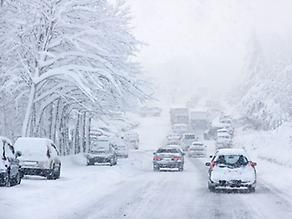
    This could be many parts of the UK on Thursday, as our first snow of the new year is expected?

    https://www.wintertyres-yorkshire.co.uk/ n

    Winter Snow Tyres

    Winter Snow Tyres

    Winter Snow Tyres

    Winter Snow Tyres
    Winter Snow Tyres


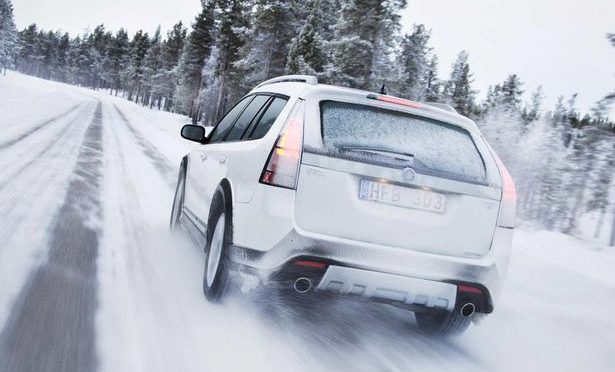
    Winter Tyres are developed to provide better grip and stopping distances than normal tyres at lower temperatures, find out more here…

    After probably the mildest and wettest period of British weather since records were kept , it looks like it will be getting colder with some snow on the Horizon?

    Winter tyres are also great in wet conditions and can give the driver complete confidence when driving on wet and flooded roads. The winter tyres will get rid of all the water that the heavens can throw at us?

    2016 Winter Tyres

    I always have winter tyres fitted to our vehicles, and last week was just in case. My daughter has recently moved into  a house in Mytholmroyd, and I think you know what must be coming next?

    She received a phone call to say that her home was flooded and that she was desperate to get there. She spent Christmas at our house but needed to inspect her house on Boxing Day.

    2016 Winter Tyres

    We set off in the torrential rain. only to discover that floods had blocked all roads to Mytholmroyd and beyond. We have collected many customer cars in the hills surrounding the Calder Valley. Thus, I had pretty good knowledge. About how to get around the small single-track roads. That would lead me down the Cragg Vale road to my daughter’s house.

    What I did not count on were the torrents of water.

    Hence, they were teaming down these small, steep valley roads. However, thanks to my trusty winter tyres. We ploughed on through the water and eventually made it to my daughter’s house.

    I am writing this on the morning of January 1st, 2016.Up to now, this is only our second frost of the winter.

    I believe the same has occurred in the USA . New York has had temperatures in the 20-degree C range, during December and i think that this is also some kind of record,

    Some friends of ours have recently gone skiing in Boston?

    Well, there was no snow. Except for some artificial stuff. I am sure, though, that winter will return with vengeance, and all those who have bought winter tyres will not feel so bad when they are ploughing through snow with the greatest of confidence, in a car fitted with their winter tyres.

    Moving forward to 2022, things concerning the weather have not changed very much. Hence, we are still witnessing milder winters. Keep my fingers crossed that the 2022–23 winter may bring a colder winter for winter tyre sales.

    https://www.pellonautocentre.com/?s=winter+tyres

    Sourced through Scoop.it from: www.stokeaudi.co.uk

    Under-inflated Tyres

    Under-inflated Tyres

    Under-inflated Tyres

    Under-inflated Tyres

    Under-inflated Tyres

    Under-inflated tyres: Research carried out by Michelin revealed that drivers are letting tyre pressure affect them financially.

    Under-inflated tyres – how drivers are throwing money away without realising

    There’s no doubt about it – motorists are throwing money away, and most of them don’t even know they’re doing it. All because tyre pressures aren’t being checked often enough. Here at Pellon Tyres, we see it day after day. Tyres coming off cars that, with the correct pressures, could easily have given another month or more of service.

    The evidence is there in front of us every single day. The wear patterns tell the story far better than words ever could.

    What under- and over-inflation really does to tyres

    If you look at a tyre that’s been run under-inflated, the edges are worn away far quicker than the centre. An over-inflated tyre does the opposite – it wears down the middle while the edges look fine. Either way, the tyre is ruined before its time.

    The biggest culprits?
    SUVs and larger saloon cars.

    These vehicles are heavier, often run on wider tyres, and yet tyre pressures are checked less often than you’d think. Even though tyre prices have come down over the years, they’re still a costly item – especially on bigger cars. Letting them wear out early is money straight down the drain.

    Under-inflated Tyres
    Under-inflated Tyres

    A costly national problem

    Under-inflated tyres must be costing this country billions of pounds every year in premature tyre wear. And it’s not just tyres – fuel consumption rises too, because the engine has to work harder to push a car along on soft rubber.

    There’s also a bit of a wider “throwaway culture” at play. Oddly enough, the more expensive the car, the less attention some drivers seem to give to the tyres. Fancy dashboards, big wheels, clever electronics – but tyres quietly neglected.

    How tyre pressure affects handling and stability

    Incorrect tyre pressures don’t just cost money – they change how your vehicle behaves on the road.

    Most of us have followed a car towing a caravan on the motorway and noticed that unsettling side-to-side sway. In many cases, that’s down to one of three things:

    • under-inflated tyres
    • one tyre lower than the others
    • overloading or incorrect load-rated tyres

    The same thing can happen with cars. Under-inflation causes vague steering, poor stability, and a feeling that the car just isn’t planted properly. It leads to understeer or oversteer, especially when cornering or braking.

    We’ve all felt it at some point – taking a bend a bit too briskly and the car doesn’t respond how you expect. If your tyres are near the legal limit or the pressures are wrong, that moment can quickly turn nasty.

    All because tyre pressures haven’t been checked.

    Under-inflated Tyres
    Under-inflated Tyres

    2026 safety update – why TPMS really matters

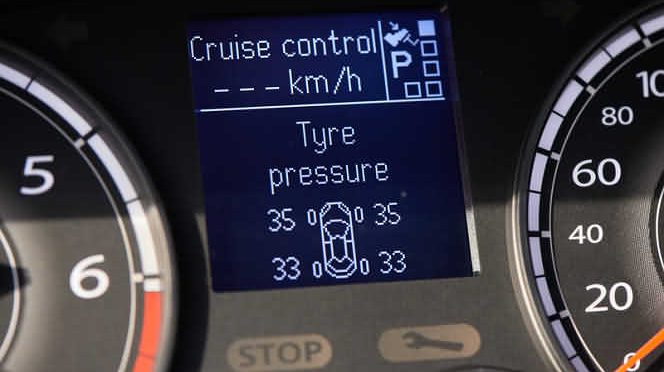
    Modern cars now come fitted with Tyre Pressure Monitoring Systems (TPMS), and despite a few grumbles about another warning light on the dashboard, they’re a genuine step forward for safety and cost saving.

    Here’s why TPMS changes things for drivers.

    1. Early warning system
    TPMS constantly monitors your tyre pressures and alerts you when one drops. Think of it as a quiet guardian angel looking after your tyres. It gives you the chance to act before a small issue becomes serious – or expensive.

    2. Better fuel efficiency
    Driving on under-inflated tyres is like walking through soft sand – it takes more effort. Correct pressures mean the car rolls more easily, saving fuel and keeping more money in your pocket.

    3. Longer tyre life
    Tyres aren’t cheap. TPMS helps reduce uneven wear by flagging pressure problems early, meaning tyres last longer and perform better throughout their life.

    4. Environmental benefits
    Less fuel used and fewer tyres thrown away means a smaller environmental footprint. Longer tyre life equals less waste and fewer emissions. A small system making a big difference.

    5. Improved safety
    Properly inflated tyres improve braking, grip and control – especially on wet or uneven roads. TPMS gives drivers one less thing to worry about while driving.

    Why TPMS suits UK driving perfectly

    Here in the UK, tyre pressures can change quickly. Cold mornings, wet afternoons, and sudden temperature drops all affect tyre pressure. From busy city streets to hilly Yorkshire roads and long motorway runs, TPMS keeps an eye on things when drivers don’t.

    Around Halifax and Calderdale, with our hills, bends and mixed surfaces, having tyres at the right pressure really does matter more than people think.

    Final thoughts from Pellon Tyres

    Low tyre pressures cost money, reduce safety, and shorten tyre life – yet they’re one of the easiest things to prevent. Whether you rely on TPMS or old-fashioned manual checks, keeping tyre pressures right is one of the simplest ways to save money and stay safe.

    Good tyre health isn’t just about avoiding punctures. It’s about making every journey smoother, safer and more economical.

    If you’re unsure, pop into Pellon Tyres. We’ll happily check your tyre pressures free of charge and give honest advice – because tyres looked after properly always pay you back in the long run.

    www.pellonautocentre.com/our-blog/

    Spare Wheel Problem

    Spare Wheel problem

    Spare Wheel problem
    Spare Wheel problem

    Spare Wheel problem

    Spare Wheel Problem: AAA is calling on automobile manufacturers to stop eliminating spare tyres from new car models.

    cars without spare wheels?

    This is one of the most stupid things to come out of the auto industry. I recommend that my customers either buy a spare wheel themselves or join one of the motoring organisations, such as the AAA in the USA or the AA here in the UK.

    The idea was to lighten the weight of the car

    to save on the environmental impact and make the car greener, but the car manufacturers must have saved themselves a fortune by leaving out a spare wheel.

    The AAA in America is complaining in this article about the lack of a spare wheel, but I bet their membership has gone up recently?

    Listening to my customers in Halifax, UK, there really is a spare. Or the lack of a Spare Wheel Problem, to be precise. It tends to be the older guys who do have a problem. Perhaps that is due to the amount of driving experience that they have had, combined with the number of times that a wheel problem has occurred.

    Why Are Spare Wheels Going Spare? A Look at Modern Cars with Pellon Tyres.

    Hello, fellow automotive fans and friends!

    Today, I’m delving into an issue that has been bothering me lately: why are car manufacturers abandoning the good old spare wheel in many of their models? It’s similar to fish and chips, but without the vinegar, right? A little incomplete!

    First, let’s go down memory lane. Remember the good old days of Halifax, with its rich industrial history? Cars have changed in the same way that our town has, from wool and textiles to a more diverse economy. But, as we sit comfy in our wonderful Halifax, sipping a tea, we have to wonder: are these changes for the better?

    So, why are manufacturers abandoning up on the spare wheel? It’s all about space and weight. New cars, like modern apartments, aim to maximise space and efficiency. Ditching the spare wheel frees up more space for your luggage or shopping bags from The Piece Hall. Furthermore, less weight means improved fuel efficiency. With petrol costs like they are, who wouldn’t want a few more miles per gallon?


    But here’s the catch:

    without a spare wheel, what happens if you get a flat? You’re stuck, right? Okay, not quite. Manufacturers now provide alternatives such as run-flat tyres and puncture repair kits. Even with a puncture, run-flat tyres may take you up to 50 kilometres. It’s like having a Yorkshire Terrier: tiny but powerful!

    At Pellon Tyres, we’ve seen plenty of these shifts. We appreciate that, while this progression makes sense from a bird’s-eye perspective, it’s not much comfort when you’re stuck on the M62 with a flat. That’s why we’re here to assist, whether it’s installing run-flats or providing information on puncture repair supplies.

    And don’t forget about the environmental impact.

    Less weight equals lower emissions, which is fantastic for our beautiful Yorkshire countryside. We are all for greener cars, but we also realise the need of practicality. It’s similar like wearing wellies in the Yorkshire Dales: you want to enjoy the view without getting trapped in mud!

    So what is the verdict?

    Do we support or oppose this change? Well, at Pellon Tyres, we believe in keeping up with the times while keeping our customers’ demands in mind. Whether you drive a car with or without a spare wheel, we’ve got you covered.

    Remember, whether you need tyre advice or just want to talk about the newest in the automotive industry, stop by our garage in Halifax. We’re always up for a nice conversation, especially regarding vehicles and our beautiful town. Until next time, keep those wheels turning and enjoy the journey – even if there’s no spare wheel!

    Spare Wheel problem

    Let’s face it, when you do have a puncture, it is usually in some awkward spot? The last one that I had was when boarding a ferry to France, with five screaming kids sitting in the back. We had to carry on driving onto the ferry before I could attempt to change the wheel.

    I had to unload all the holiday stuff

    to get a spare wheel, but at least i had one. You would be surprised at the number of drivers who have been stuck with a spare wheel problem? The problem is that they did not have one?

    When they bought the car, it was the last thing on their mind!! Does the car have a spare wheel?

    www.pellonautocentre.com/our-blog/

    Sourced through Scoop.it from: nj1015.com

    Car Chix Winter Tyres

    Car Chix Winter Tyres

    Car Chix Winter Tyres
    Car Chix Winter Tyres

    Car Chix Winter Tyres

    Kacey Webster, General Manager of Larry H. Miller Chevrolet in Murray, shared some tips on Car Chicks Tyres now that the snow is here.  She says you do not need to run out and buy new tyres just because…

    Car Chix is a female-friendly website that has been developed to be more informative to female drivers; therefore, I have called my article Car Chicks Tyres. Although the title is about winter tyres, I think this article includes the whole female garage scene.

    Although this is a growing trend, (female web sites) I am not sure why their is a recent emphasis on tips for female drivers. In my opinion ALL drivers should be educated and advised when it comes to tyre care and anything else to do with car servicing and repairs.

    It is good, though, that we do have many female drivers now. Car Chix Winter Tyres

    These drivers are very confident when visiting my garage. We do have a female manager, and this definitely gives our female customers more confidence when they have car problems or just need some new tyres.

    Car Chicks Tyres

    In the UK, though, the phrase “car chix tyres” would not be used. We do now, though, have various female-friendly web sites that offer motoring advice to their members.

    The one I am thinking about is “Sheila’s Wheels.”. This web site gives excellent advice to female drivers. I am sure that this gives the ladies more confidence when dealing with men in the garage atmosphere?

    In my garage in Halifax,

    UK, we have a higher ratio of female customers than male customers, but you know? They are all treated with the same politeness and the same good experience as each other.

    We try to make a stressful situation as comforting as possible for both sexes.I suppose if you must target one sex then so be it, but i dont agree with it.

    www.pellonautocentre.com/our-blog/

    Sourced through Scoop.it from: fox13now.com