Category Archives: All Neutral Tyres Stuff

All Neutral Tyres Stuff

All Neutral Tyres Stuff

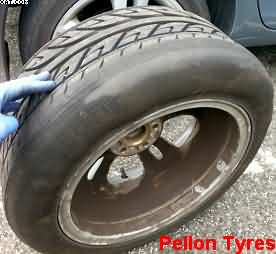
An old customer recently came into our tyre depot in Halifax, Yorkshire, UK. Fred as we will call him. Bought a second hand car from a lady whos husband had recently passed away. The car had been stood in a garage for a few years. Consequently, the car was in good condition. The mileage was 47000 and the car was a Vauxhall Vectra.
The vectra was in immaculate condition. However, Fred only wanted the tyres checking. The car had two makes of tyres fitted. Accordingly, two were Michelin zx and the other two were both BF Goodrich. The tyres had tell tale “cracking”. Hence, on the bead and shoulder area of the tyres. Cracking is a tell tale sign of aging tyres?

Fulda Sport Control 2

Fulda Sport Control 2

Fulda Sport Control 2

Fulda Sport Control 2

Tyres that take me back a few years. I remember when we were Fulda tyre dealers. Of course, it was in the days when the  Fulda parent company, Goodyear,. It allowed us to sell Fulda as our main product.

Fulda is a very good mid-range tyre.

For this purpose, Fulda products helped my business grow. Because our customers like a bargain. For this reason, mid-range tyres offer a better deal  for the consumer.

Mid-range tyres are made from the same materials and technologies as the parent company. In this case, Goodyear tyres. So you are getting a Goodyear tyre for less money.

Moving into 2024, Fulda tyres are still very little known. These tyres were certainly more available to tyre dealers in my early years in the tyre trade.

Fulda Tyres: Marrying the Past with the Future

Trust, history, and innovation are more important than merely the amount of tread depth when selecting tyres for your car. The tyre industry’s crown jewel, Fulda, steps in at that point. Let’s take a closer look at the history of Fulda Tyres, a name that has been making its way around the UK and the rest of Europe for more than a century.

Travels in the Age of High-Speed Automobiles from Horse-drawn Carriages

As you may expect, Fulda’s adventure started in 1900 in Fulda, Germany. Having initially catered to carriages carried by horses, they quickly adjusted to the advent of the motor.

Imagine yourself creating tyres that can endure the speed of the autobahn as well as those for gentle carriage excursions in the German countryside! With grace and ease, Fulda has made that enormous jump.

Ground-Up Innovation. Fulda Sport Control 2

Fulda has always been a byword for cutting-edge technology. In the 1950s, they were an industry trailblazer by introducing tubeless tyres. Now that they’re a member of the Goodyear family, they have the support of a tyre industry giant. Having an older brother who happens to be a world-class football player is like having a guardian angel.

Fulda: A Trustworthy Option for the Astute Motorist in the Modern Market. Fulda Sport Control 2

In today’s cutthroat tyre industry, Fulda remains a dominant player. Reliability, efficiency, and affordability are the three pillars upon which their winter and summer tyres rest. Finding a trustworthy, high-quality, and reasonably priced neighbourhood pub in Halifax that serves the ideal pint is like that.

Fulda tyres offer the traction, stability, and assurance that drivers require, whether they’re navigating the busy streets of Halifax or the picturesque roads of rural Yorkshire. A Fulda tyre is perfect for any occasion, whether you’re driving a little car to school or an SUV on a weekend getaway.

Questions and Answers on Fulda Tyres

When compared to other brands, what makes Fulda tyres stand out?

Answer: It’s the value and quality they’re dedicated to. You get the same high-quality performance and dependability from these companies, but at a far more affordable price. The quality is comparable to that of a cafe’s Yorkshire tea, but at a lower price.

Are Fulda tyres suitable for the weather in the UK? Fulda Sport Control 2

Answer: Definitely. Fulda tyres provide traction and stability in a variety of weather situations, so you can ride safely and confidently whether it’s snowing in the Peak District or it’s raining in Halifax.

How wide is Fulda’s selection of tyres? Fulda Sport Control 2

Q: What a selection! They have summer tyres that are great in both dry and rainy conditions, as well as winter tyres that thrive in snow and ice. To top it all off, they come with all-season tyres, which are ideal for the unpredictable British climate.

In comparison to other tyre brands, how efficient are Fulda tyres?

A: They’re really clever at this. You may save money and help the environment by switching to Fulda tyres, which are designed to reduce rolling resistance and contribute to fuel savings.

I was wondering if there were vehicle-specific Fulda tyres.

Indeed, Fulda offers a wide selection of alternatives to suit a variety of driving styles and needs, whether you’re in a sporty city car, a spacious family hatchback, or a sturdy SUV.

How can I find a Halifax store that sells Fulda tyres?

Pellon Tyres and other local tyre providers are your best bet. In addition to carrying a variety of Fulda tyres, they also provide knowledgeable guidance in selecting the best tyre for your car and driving style.

Pellon Tyres is a member of www.tyresafe.org

A new Fulda summer ultra-high performance tyre, is now available, and Goodyear says this latest generation product provides “enhanced performance on wet and dry roads.” The tyre…

Source: SportControl 2: Goodyear launches Fulda UHP tyre : Tyrepress

Hankook Winter Tyres

Hankook Tyres Winter Tyres

snow clearing in
Hankook Tyres Winter Tyres

With a decisive snip, more than a year’s work was officially complete. Four representatives from Hankook Tire’s global and European operations, suitably rugged up for the occasion, were on hand to …

Hankook Winter Tyres – A Sensible Choice for Yorkshire Winters

When winter starts to creep in across Yorkshire, most drivers know what’s coming next: cold mornings, greasy roads, sudden frosts, and the odd surprise snowfall just when you’re trying to get to work. Over the years here at Pellon Tyres in Halifax, we’ve seen firsthand how much difference the right tyres make once temperatures drop—and Hankook winter tires are one brand that continues to impress.

Hankook might not shout as loudly as some of the older premium names, but don’t be fooled. They’ve built a solid reputation for producing high-quality winter tires at sensible prices, and they’re especially well-suited to real-world driving in the UK.


Who Are Hankook Tyres? Hankook Tyres Winter Tyres

Hankook is a global tyre manufacturer that’s been around since the 1940s and is now one of the world’s largest tyre brands. They supply tyres to many vehicle manufacturers as original equipment, including Audi, BMW, Mercedes-Benz and Volkswagen – which tells you plenty about their quality standards.

In recent years, Hankook has invested heavily in European research and development with test centres designed to cope with cold, wet, and icy road conditions— very similar to what we experience here in West Yorkshire.


Why Winter Tyres Matter in the UK

There’s a common myth that winter tyres are only for heavy snow or Alpine driving. In reality, winter tyres excel in temperatures below 7°C, a temperature that Yorkshire experiences for months on end.

Winter tyres use:

  • Softer rubber compounds that stay flexible in cold weather
  • Deeper tread patterns for better traction
  • Extra sips (tiny cuts) that grip wet, icy and slushy roads

The result? Shorter stopping distances, better control, and far more confidence when the weather turns nasty.


✅ Hankook Tyres Winter Tyres, i*cept RS3

A popular choice for small to medium cars. Excellent grip on cold, wet roads and very predictable handling — ideal for everyday driving around Halifax, Sowerby Bridge, and Hebden Bridge.

✅ Hankook Winter i*cept evo3

A step up in performance, often chosen for larger cars and executive models. Superb braking in cold or wet conditions is surprisingly quiet for a winter tire.

✅ Hankook Winter i*cept evo3 X (SUV)

Designed specifically for SUVs and 4x4s. Great stability, strong traction, and ideal for heavier vehicles tackling steep hills and country lanes.


Real-World Driving in Yorkshire: Hankook Tyres Winter Tyres

Yorkshire roads are a proper test for any tyre. We’ve got:

  • Steep hills
  • Tight corners
  • Rough road surfaces
  • Plenty of rain
  • Additionally, winter temperatures often remain significantly below the 7°C mark.

This is where Hankook winter tyres shine. We regularly fit them for local drivers who commute daily or rely on their car no matter what the weather throws at them — and the feedback is consistently positive.

Many customers tell us they feel more relaxed behind the wheel, especially first thing in the morning when roads can be icy but don’t look icy.


Hankook Tyres Winter Tyres vs All-Season Tyres

All-season tyres are improving all the time, and for some drivers they’re a good compromise. However, if you:

  • Drive early mornings
  • Live in a hilly area
  • Depend on your car daily
  • Or simply want maximum winter safety

Then a dedicated Hankook winter tyre is still the best option.

Fleet operators know this too—many fleets now run winter tyres as standard because fewer accidents and breakdowns simply make financial sense.


Do I Need Four Hankook Tyres Winter Tyres?

Ideally, yes. Fitting four winter tyres keeps the car balanced and predictable.

That said, if budget is tight, fitting a pair to the drive wheels is still better than running summer tyres all round — though we’ll always explain the pros and cons honestly before fitting.


A Sensible Investment in Safety

Winter tyres aren’t an expense — they’re an investment. They:

  • Reduce accident risk
  • Improve braking distances
  • Give you control when it matters
  • And often save money long-term by reducing tyre wear on your summer set

At Pellon Tyres, we often store customers’ summer tyres and swap them back in spring, keeping everything simple and hassle-free.


Final Thoughts

If you’re looking for a winter tyre that offers excellent safety, strong performance, and good value for money, Hankook winter tyres are well worth considering. They’re ideally suited to Yorkshire roads and the kind of winter conditions we deal with every year.

If you’re unsure which tyre is right for your car, pop in and have a chat — we’ll always give straight, practical advice based on how you actually drive.

Hankook Tyres Winter Tyres

This article reinforces my own opinion about the huge amount of interest in winter tyres. This time, it is Hankook tyres that are putting in efforts. Hence, to produce a great winter tyre. Therefore, this article is about Hankook’s efforts to rigorously test their winter tyre products.

Tough track conditions in ice and snow were provided from Finland.

Source: Technotrac: Hankook Tire opens own winter test facility in Finland

BFG Mud Terrain tyres

BFG Mud Terrain tyres

BFG Mud Terrain tyres

BFG Mud Terrain tyres

Mud-terrain tyres;

The Jeep Chief is sporting a custom fuel door, 2″ Lift Kit, and 37″ Mud-Terrain tyres. This Jeep is ready to ride!

Mud-terrain tyres. Were originally made to provide the vehicle with traction. Therefore, that could go anywhere. They were developed to give the 4X4 driver. Excellent durability. Whilst also giving good wear and traction in any weather.

Hence, that the vehicle could come up across. Including heavy snow falls. Mud tyres are technically designed with the help of racing tyres. As a result, they were derived from a “cut-chip and tear-resistant tread compound”.

This would give the tyres exceptional grip.

Also, wear resistance when driving on roads that would normally tear tyres to shreds, such as gravel roads.

The compound on these  tyres. Are therefore generated from computers. Hence, to provide the tyres with tread patterns. Also with high-void all-terrain pattern.

Thus, with interlocking   tread blocks

This is also supported by placing the sipes. Consequently, in a way that rejects and throws out pieces of grit and gravel,. At one time, tyres with many sipes would also be noisy. As a result, when driving on normal tarmac roads,

The Mud Terrain tyres, with all their siping, can now run much quieter on normal tarmac roads due to the computer design.

BFG Mud Terrain tyres

The upper shoulder sidewall armour. Consequently, features a tougher sidewall rubber compound. That’s twice as thick as previous range of BFG Mud Terrain tyres.

According to the 4X4 site,. Of which, we at Pellon Tyres are members for the Halifax area of Yorkshire, UK.

“its predecessor and extended Side-Biter Lugs. That deliver additional traction. Thus, by providing the clawing  action necessary to develop traction. Including, steering control in deep dirt, sand or on rock. Especially, during “aired down” off-road driving. The tyres internal structure. Thus, includes twin steel belts. Naturally, reinforced with spirally wrapped nylon. So on top of Goodrich’s TriGard, 3-ply polyester cord sidewall. With ply construction (2 plies for Load Range C tyres) for strength and durability. Single strand beads (a single strand of bead wire. Is continuously wrapped multiple times. Accordingly, until the desired strength is provided) enhance the tyres fit to the wheel. Therefore, to improve uniformity and ride quality”.

http://www.pellontyres.co.uk/Tyre/Details/Gt+Radial/ADVENTURO+M!2fT

Sourced through Scoop.it from: twitter.com

Pirelli F1 PZero Purple

Pirelli F1 PZero Purple

Pirelli F1 PZero Purple

Pirelli F1 PZero Purple

According to a flurry of votes on social media, the new Pirelli F1 P Zero Purple tyre’s sidewall stripe will be purple in colour for dry conditions.

In my opinion.This is a great choice of tyre.Hence, to add to the Pirelli family of F1 tyres.Hence, the tyre looks good in its bright purple lettering?  if you are a tyre or an F1 racing enthusiast.

In the coming race season

Pirelli will be using their medium compound tyres (white). Hard compounds (orange) and soft compounds (yellow) with supersoft (red) compoundsConsequently, a fifth ultra-soft (purple) compound will join these. Thus, it is the softest compound in the Pirelli racing range.

The racing will be more exciting. Because the winning team would have made all the right decisions. Including the correct tyres to race on.Hence, that particular day? The previous race seasons have brought Pirelli tyres much controversy. Drivers and officials have been blaming the tyres. As a result, there are all sorts of problems.

In fact, at one stage

I thought that Pirelli would lose the contract. Indeed, to their arch enemy Michelin tyres. Undoubtedly, they were in the hunt for the lucrative F1 tyre contract. Things settled down towards the 2015 season and Pirelli came up trumps in the bidding war. Pirelli also brought out some new tyre compounds. Including the new Pirelli F1 P Zero Purple, softer compound.

Pirelli F1 PZero Purple

As we are speaking about the 2016 race season, then The BBC has learned that the FIA, which governs F1, will instruct Pirelli to design a tyre that will allow drivers to push hard for longer.

Pirelli chairman Marco Tronchetti Provera told teams and drivers at a meeting earlier this month, where dissatisfaction with the current tyres was discussed, that it could produce whatever the F1 wanted as long as it had clear commission.

Pirelli has been given preliminary information about the performance the cars are expected to have in 2017 so it can start working on tyre design.

The FIA plans to outline how it wants tyres to perform and will provide all necessary data to the company by the end of March.

https://www.pellonautocentre.com/?s=F1+tyres

Sourced through Scoop.it from: www.youtube.com

Checking Your Tyre Pressures

Checking your tyre pressures

Checking Your Tyre Pressures

Checking Your Tyre Pressures

90% of vehicles that visit our centres have the incorrect tyre pressure. Here’s our guide for how to check: https://t.co/A3iPzBrR2B

Checking Your Tyre Pressures

What if I don’t know my tyre pressure?
This is one of the enquiries I receive from some of my clients at Pellon Tyres in Halifax, Yorkshire, United Kingdom.

Apart from the internet, vehicle car manufacturers often place the tyre pressures in three locations of the car.

Tyre pressures – where to find them and why getting them right matters

One of the most common questions we’re asked here at Pellon Tyres and Autocentre is a simple one:
“What pressure should my tyres be?”

It sounds straightforward, but you’d be surprised how many drivers aren’t quite sure where to look or how important correct tyre pressures really are. Around Halifax and Calderdale, with our hills, bends and mixed road conditions, tyre pressures play a bigger role than many people realise.

Checking your tyre pressures

Where to find your correct tyre pressures

Manufacturers make it fairly easy – once you know where to look. In most cars, you’ll find the recommended tyre pressures in one of three places:

  1. Driver’s doorframe or door pillar: Checking your tyre pressures
    Open the driver’s door and look for a sticker on the body or door edge. This is the most common place and usually shows pressures for:
    • normal driving
    • fully loaded vehicles
    • motorway driving
  2. Inside the fuel filler cap: Checking your tyre pressures
    On some cars, the tyre pressure information is printed inside the petrol or diesel cap. It’s easily missed, but it’s always worth checking.
  3. Vehicle handbook
    The handbook will always list the correct pressures, often with extra detail for different loads and driving conditions.

If you’re ever unsure, and you’re in the Halifax area, we’re always happy to supply the correct details while checking your tyres.

Keep your own tyre pressure gauge: Checking your tyre pressures

Although we’re happy to check tyre pressures free of charge, it’s still a good idea to carry your own tyre pressure gauge as part of your car’s toolkit. They’re small, inexpensive, and easy to keep in the car – often tucked under the dash or stored with the locking wheel nut key.

You can pick them up from most car accessory shops, and good-quality ones are also available from well-known names such as Michelin, as well as UK road safety organisations like the AA and the RAC.

It’s a small investment that can save you money and trouble in the long run.

Simple but important tyre pressure tips

Over the years, we’ve picked up a few straightforward tips that every driver should remember when checking and inflating tyres.

a. Look after your valve caps
Always put valve caps somewhere safe when checking pressures. They’re easy to drop and forget about. If the caps are cracked, missing or damaged, replace them. They keep dirt and moisture out of the valve, which helps prevent slow leaks.

b. Be gentle with tyre valves
Try not to damage the threads on tyre valves. Many modern cars are fitted with Tyre Pressure Monitoring Systems (TPMS), and those valves can be expensive to replace if damaged. Don’t force the pressure gauge or airline onto the valve – if it doesn’t feel right, stop and adjust.

c. Check pressures when tyres are cold
This is one of the most important points. Always check tyre pressures when the tyres are cold – ideally before you start a journey. Driving heats tyres up, increasing the air pressure inside them and giving you a false reading. Checking them hot can lead to under-inflation once they cool down again.

d. Double-check each tyre
It’s good practice to check each tyre more than once. This helps ensure you’ve got a proper seal between the gauge and the valve, giving an accurate reading.

Why correct tyre pressures matter: Checking your tyre pressures

Driving with incorrect tyre pressures can affect far more than just tyre wear. Under-inflated tyres can:

  • increase braking distances
  • reduce steering control
  • cause the car to pull to one side
  • increase fuel consumption
  • lead to overheating and tyre failure

Over-inflated tyres aren’t good either. They reduce the tyre’s contact with the road, giving less grip and a harsher ride – something you’ll definitely notice on Calderdale’s uneven roads.

Local roads make it even more important

The hills and winding roads around Halifax put extra demands on tyres. Incorrect pressures make cars feel unsettled on descents and less stable in corners. Add wet weather into the mix – something we see plenty of – and tyres really need to be in top condition to keep you safe.

That’s why regular checks are so important, especially before longer journeys or motorway driving.

Free tyre pressure checks at Pellon Tyres

Any good tyre centre should check tyre pressures free of charge, and that includes us here at Pellon Tyres. It’s a simple job, but it makes a big difference to safety, comfort and running costs.

Whether you’re popping in for a quick check, a service, or just want some honest advice, we’re always happy to help.

Final thoughts

Correct tyre pressures aren’t something to guess at. They’re clearly listed, easy to check, and quick to adjust – yet they’re often overlooked. Taking a few minutes now and then to check them can save money, improve handling and help keep you safe on the road.

If you’re unsure, don’t worry – just call in and we’ll sort it for you. Sometimes the simplest checks are the most important.

Winter Pirelli Sottozero Tyres

Winter Pirelli Sottozero Tyres

Winter Pirelli Sottozero Tyres

Winter Pirelli Sottozero Tyres

Winter Pirelli Sottozero Tyres- done properly – why the right rubber really matters

Every winter, the same conversation crops up here at Pellon Tyres.
“Do I really need winter tyres?”
“Surely all-season tyres will do?”
“I don’t drive to the Alps, just round Halifax.”

And every year, the weather – and the roads – give us the answer.

This article originally took inspiration from the stunning Alpine roads of northern Italy, where powerful saloons glide through snow-covered mountain passes on the correct tyres. It might feel a world away from Calderdale, but the lesson is exactly the same whether you’re climbing an Italian ski road or easing down Boothtown in sleet.

Winter Pirelli Sottozero Tyres

Italian cars, Italian tyres – a perfect match

There’s something rather fitting about seeing a Maserati running on Pirelli Winter Sottozero 3 tyres. Italian flair on Italian rubber – and more importantly, the right tyre for the job.

The Pirelli Winter Sottozero range was developed specifically for high-performance cars and sports saloons. These are vehicles designed to cruise comfortably at serious speeds on the German autobahns, then head straight into snow-covered Alpine roads without missing a beat. That sort of driving simply isn’t possible on summer tyres once temperatures drop.

The Sottozero 3 gives:

  • excellent grip in cold conditions
  • predictable handling on snow and slush
  • stability when braking and cornering
  • confidence instead of white-knuckle driving

And that’s the key word – confidence.

Why winter tyres aren’t just for the Alps: Winter Pirelli Sottozero Tyres

Now, before anyone in Halifax says, “I’m not heading to Switzerland,” let’s be clear. Winter tyres aren’t just about deep snow. They’re about temperature.

Once the thermometer drops below around 7°C, summer tyres start to harden. Grip reduces. Braking distances increase. Steering becomes vague. That’s when winter tyres come into their own, even on cold, damp Yorkshire roads.

Anyone who’s driven early morning through Calderdale in January will know the conditions:

  • cold tarmac
  • damp roads
  • frost in shaded areas
  • the odd surprise patch of ice

That’s exactly where winter tyres make a difference.

Other Pirelli winter options – not just Sottozero

While the Winter Sottozero range is ideal for performance cars, Pirelli also produces other excellent winter tyres depending on the vehicle and driving conditions.

For small to medium cars, the Pirelli Cinturato All Season is a popular choice. This tyre can be left on all year round and offers a sensible balance for drivers who want convenience without swapping wheels twice a year. It’s particularly suited to drivers who mostly stick to town and main roads.

However, if you live in more northerly regions or areas that regularly see heavy snowfall – think Scandinavian conditions – then Pirelli’s Scorpion Ice & Snow tyre is the one to go for. It’s a more aggressive winter tyre, designed for harsh conditions in places like Norway and Sweden.

SUVs and winter weather – a word of warning

One thing we see a lot around Halifax and Calderdale is drivers assuming their SUV will cope with winter weather automatically. Sadly, that’s not the case.

Most SUVs leave the factory on summer tyres, and in bad weather they can be surprisingly useless. Four-wheel drive doesn’t help if the tyres can’t grip.

For this reason, Pirelli recommends the Scorpion Winter range for SUVs. These tyres are designed to cope with:

  • heavier vehicles
  • higher centres of gravity
  • cold, wet and snowy conditions

With the right tyres fitted, an SUV becomes what people expect it to be in winter – safe, stable and dependable.

Bringing it back to Yorkshire roads: Winter Pirelli Sottozero Tyres

You don’t need Alpine hairpins to justify winter tyres. Halifax’s hills, tight bends, shaded valleys and ever-changing weather are more than enough. Add in early morning commutes and late-night drives home, and tyres really start earning their keep.

At Pellon Tyres, we don’t push winter tyres on everyone – but we do explain the facts. The difference in braking distance alone can be the difference between stopping safely and sliding into trouble.

Winter Pirelli Sottozero Tyres

Final thoughts from Pellon Tyres

Winter tyres aren’t about speed or style – they’re about control and safety. Whether it’s a Maserati on an Alpine pass or a family car heading down a frosty Yorkshire hill, the principle is the same: the right tyre for the conditions.

Pirelli has built a strong reputation in winter tyre technology, and their range covers everything from high-performance saloons to everyday cars and SUVs. Other brands are equally capable, but Pirelli’s following is well deserved.

If you’re unsure whether winter tyres, all-season tyres, or sticking with summer tyres is right for you, call in and have a chat. We’re always happy to give honest advice – no pressure, just straight talking.

Sourced through Scoop.it from: tyres.pirelli.com

Winter Tyres Tweet

Winter Tyres Tweet

Winter Tyres Tweet

Winter Tyres Tweet
Winter Tyres Tweet

Winter Tyres Tweet,

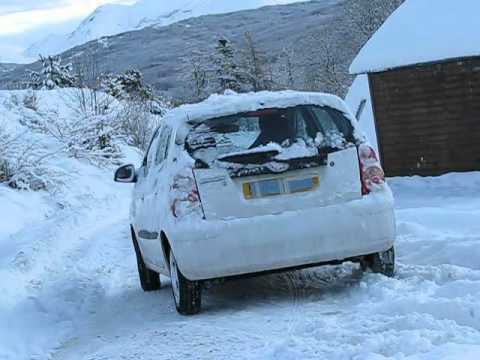
The moment when you realise you should have bought winter tyres #scottishwinter #winteriscoming https://t.co/Df8PNOBBbK

Eric Roberts sourced through Scoop.it

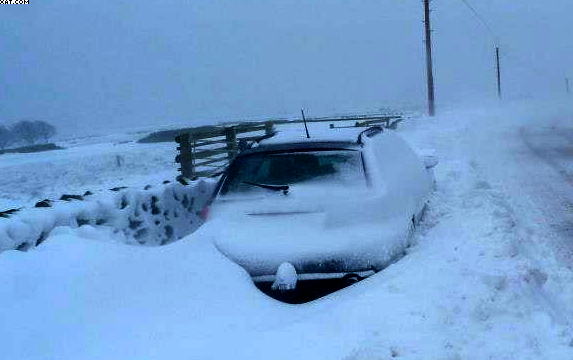
This is the problem? it is often too late if you did not get prepared for bad weather before the winter. Many drivers simply get caught out, when the snow arrives unexpectedly. This Winter Tyres Tweet shows the point.

I also think that it is the younger generation of drivers, who seam to be the ones caught out? I think it may be the “it will never happen to me scenario”. It is important to fit winter tyres before the onset of winter, then you know that you will be much safer, and winter can throw all it wants at you, at least you will stand a chance.

I am convinced that the tyre trade

are not targeting young drivers when it comes to teaching about tyre safety. As the owner of Pellon Tyre in Halifax, UK, i am finding it more common for young drivers to make tyre-related mistakes that only slight observations would correct.
This includes running on tyres that are completely bald and well over the legal limit. many young drivers, including married and single people, do not appear to know or just do not want to know anything about

Winter tyres tweet
Snowflake emblem on the tyres sidewall, winter tyre marking

the car, especially the tyres?
This brings me back to winter tyres. Any driver who fits winter tyres on a regular basis, knows how much safer it is to drive about in winter weather.

Even in heavy rain,

Hence, the driver will feel much safer. Especially with a good set of winter tyre fitted to their car. You can handle anything that a British winter can throw at you.
Some of these young drivers are driving around without any tread. Scarily, on their summer tyre, never mind winter tyres.

Winter Tyres tweets from these drivers. hence, are also the ones that take the risks on bends and speeding on our roads. This is combined with bald tyres.

Consequently, this is a recipe for disaster.

Unfortunately, this is what happens. How often do we see a car on its roof in a ditch? too often, many would say.
So lets target young drivers with more education about tyre safety and the use of winter tyres.

from: twitter.com

Tyre Inspection Imperative

Tyre Inspection Imperative

Tyre Inspection Imperative

Tyre Inspection Imperative – why regular checks really matter

In today’s fast-moving traffic and ever-busier roads, it’s never been more important to keep an eye on your tyres. Cars are quicker, roads are more congested, and journeys often involve a mix of town driving, fast A-roads and motorway miles. Against that backdrop, the phrase Tyre Inspection Imperative” has never rung truer.

Here at Pellon Tyres, we see first-hand what happens when tyres are ignored. Many customers simply don’t realise how much difference one tyre can make to the way a car handles, stops and keeps you safe. A tyre isn’t just a round bit of rubber – it’s the only thing connecting your car to the road.

One tyre can change everything: Tyre Inspection Imperative

A surprising number of drivers don’t notice a slow puncture or gradual loss of pressure. We had a chap in recently who openly admitted he’d had a screw in his tyre for weeks. His solution? Pump it up every week and carry on.

He genuinely thought he was doing the right thing.

In reality, he’d probably been driving up and down the motorway with a tyre running at half the correct pressure. That’s a frightening thought when you consider braking distances, steering response and heat build-up at speed.

Anyone who’s driven a car with a partially deflated tyre will know it never feels right. The steering pulls, the car feels unsettled, and it constantly drags towards the side with the low tyre. It’s tiring to drive and far harder to control, especially in an emergency.

Why under-inflated tyres are dangerous

When a tyre is low on pressure, several things happen at once:

  • The tyre flexes far more than it should
  • Heat builds up inside the casing
  • The tread doesn’t sit flat on the road
  • Braking distances increase
  • Steering becomes vague and unpredictable

On faster roads, this can quickly lead to tyre failure. The driver often gets little warning before a blowout.

Vans – some of the worst offenders: Tyre Inspection Imperative

Some of the most worrying tyre conditions we see belong to van drivers. Many vans spend their working lives fully loaded, yet tyre pressures are rarely adjusted to suit the weight being carried.

In the worst cases, you can see the driver physically fighting the steering wheel to keep the van in a straight line. That’s usually a combination of:

  • low tyre pressures
  • heavy loads
  • worn tyres

Add motorway speeds into the mix and it’s a recipe for disaster. Tyre blowouts on vans are far more common than they should be, and in many cases they’re entirely preventable with basic inspections.

Regular inspections save more than tyres

Checking your tyres regularly doesn’t just prevent punctures or blowouts – it saves money too. Correctly inflated tyres wear evenly, last longer and improve fuel economy. Under-inflated tyres scrub away at the edges, over-inflated ones wear down the centre, and both cost you more in the long run.

A proper tyre inspection should include:

  • Tread depth across the full width
  • Tyre pressures (when cold)
  • Sidewall damage or bulges
  • Nails, screws or cuts
  • Uneven wear patterns

It takes minutes, but it can prevent hours of trouble at the roadside.

Yorkshire roads make tyre checks even more important: Tyre Inspection Imperative

Driving around Halifax and Calderdale adds its own challenges. We’ve got:

  • steep hills
  • tight bends
  • narrow roads
  • rough surfaces
  • and the occasional pothole waiting to catch you out

All of that puts extra strain on tyres. A tyre that might just cope elsewhere can quickly become a problem on local roads, especially in wet or cold conditions.

That’s why we always say tyre inspections aren’t something to do “now and then” – they should be part of your routine.

A word for new drivers

Tyre safety is something young drivers often overlook. There’s a lot to learn when you first start driving, and tyres don’t always get the attention they deserve. Visual aids and clear explanations can make a huge difference in understanding how tyres affect safety, handling and confidence behind the wheel.

Learning early to check tyres properly is one of the best habits a new driver can pick up.

Final thoughts from Pellon Tyres

The message really is simple: tyre inspection is imperative. One neglected tyre can compromise the safety of the whole vehicle. Whether it’s a family car, a van loaded for work, or a daily commuter, tyres deserve regular attention.

If you’re unsure, pop in and let us take a look. A quick check can prevent a blowout, save money and, most importantly, help keep you safe on the road.

UK Tyre Safety

UK Tyre Safety

UK Tyre Safety

run-flat tyres
Changing a wheel could be a thing of the past?

UK Tyre Safety: It is important to remember that correct tyre care and maintenance are essential for your road safety and tyre life.https://t.co/LfYlJzaPne

UK Tyre Safety – why it still matters more than ever

After a lifetime spent working in the tyre industry, it sometimes feels a bit mad that we still have to keep banging on about tyre safety. You’d think by now everyone would understand how important tyres are. And yet, the figures tell a different story. Road accidents caused by tyre-related problems are not falling – they’re rising.

UK Tyre Safety
UK Tyre Safety

That’s worrying.

One of the biggest factors has to be the sheer volume of traffic on the roads today. We live on a relatively small island, but the number of cars, vans, lorries and delivery vehicles seems to increase every year. You only have to do a normal drive to work and back to see how congested our roads have become, especially around Halifax and the Calderdale area.

More vehicles on the road means:

  • more stop–start driving
  • more braking
  • more standing water in wheel ruts
  • and more chances for tyres to be pushed beyond their limits

Tyre safety isn’t just about cars: UK Tyre Safety

Although I tend to write mainly about the UK and everyday motoring, tyre safety applies to all road vehicles. Cars and vans get most of the attention, but trucks, coaches and other commercial vehicles are just as dependent on good tyres.

The difference is that when something goes wrong with a larger vehicle, the consequences can be far more serious.

That’s why tyre safety isn’t just a personal issue – it’s a shared responsibility.

UK Tyre Safety
UK Tyre Safety

According to accident statistics, one of the main reasons tyres contribute to accidents is insufficient tread depth. The legal minimum tread depth in the UK – and most of Europe – is 1.6mm across the central three-quarters of the tyre.

Now, let’s be clear about something.

1.6mm is a legal limit, not a safe target.

By the time a tyre reaches that point:

  • wet weather grip is already badly reduced
  • braking distances are much longer
  • aquaplaning risk is dramatically higher

And yet, we still see drivers running tyres right down to the limit – and often beyond it.

Wet roads are the real danger: UK Tyre Safety

People often think snow is the main cause of winter accidents. In reality, that’s not the case. Wet roads are the biggest problem, especially when combined with low tread depth.

A tyre with good tread clears water from the road surface. A tyre with worn tread simply rides on top of it. That’s aquaplaning, and once it happens, you’ve got very little control.

You’d think this was common sense – but time and time again we see tyres left on cars until there’s barely a slither of rubber left. In some cases, they’re not replaced until they’re completely bald.

At that point, the tyre isn’t just illegal – it’s dangerous.

Local roads make tyre safety even more important

Around Halifax and Calderdale, our roads don’t make life easy for tyres. We’ve got:

  • steep hills
  • tight bends
  • shaded sections that stay damp
  • uneven surfaces
  • and plenty of rain

All of that puts extra strain on tyres, especially when tread depth is low. A tyre that might just scrape by on a dry motorway becomes a real liability on a wet Yorkshire back road.

That’s why we always encourage drivers to check their tyres before they become a problem.

Where winter tyres come into the picture

This brings us neatly to winter tyres. Their growing popularity proves just how much difference the right tyre can make in poor conditions.

Winter tyres aren’t just about snow. In fact, their biggest advantage in the UK is:

  • better grip in cold, wet conditions
  • improved braking on damp roads
  • more predictable handling when temperatures drop

They stay flexible in colder weather, while summer tyres harden and lose grip. Combine that with deeper tread patterns, and you’ve got a tyre that’s far better suited to British winters.

For many drivers, all-season tyres are a sensible halfway house, offering better cold-weather performance without the need to swap tyres twice a year.

Simple checks that make a big difference

Tyre safety doesn’t have to be complicated. A few simple habits can dramatically reduce risk:

  • check tread depth regularly
  • keep tyre pressures correct
  • look for cuts, bulges or damage
  • don’t ignore warning signs like pulling or vibration

And if you’re unsure, ask. Any decent tyre centre – including us at Pellon Tyres – will happily check tyres and offer honest advice.

Final thoughts from Pellon Tyres: UK Tyre Safety

Tyre safety shouldn’t be something we only talk about after an accident. It’s about prevention, common sense and understanding that tyres are the most important safety component on your vehicle.

With traffic levels as high as they are, and road conditions as challenging as ever, running tyres down to the bare minimum just isn’t worth the risk.

Good tyres, with decent tread and correct pressures, make your car safer in the wet, more predictable in the cold, and more controlled on our hilly Yorkshire roads.

It’s a simple message, but one that still needs repeating:
look after your tyres, and they’ll look after you.driving conditions.

Tyresafe do great work promoting the important role that tyres play in road safety?

HOW TO DRIVE ON WINTER TYRES

HOW TO DRIVE ON WINTER TYRES

HOW TO DRIVE ON WINTER TYRES

HOW TO DRIVE ON WINTER TYRES

Ensure Your Safety on Slippery Roads with the Essential Guide to Winter Tyre Testing


Every motorist’s first thought when winter approaches and the roads begin to get icy is safety. Winter tyres are not only an improvement but a need for those of us who brave the cold.

Ever consider, though, what goes into ensuring these tyres are up to the job? Let’s explore the exacting realm of winter tyre testing, an essential procedure that guarantees only the best tyres find their way onto our vehicles and onto our icy roads.

Why Winter Tyres?


First of all, one must grasp the reasons why winter tyres are so important in colder climates. Winter tyres are made especially to handle ice, snow, and low temperatures, not like regular tyres.

Of course, better grip and shorter stopping distances are possible. Accordingly, the softer rubber compound remains flexible in cold weather. Designed to channel slush and discharge snow, the tread pattern is also deeper and more noticeable.

The Test Sites. HOW TO DRIVE ON WINTER TYRES


Winter tyre testing is not something you do in a hurry one afternoon. It’s an exhausting process done in some of the worst circumstances conceivable. Tyre makers frequently travel to Arctic Circle cold weather testing sites, such as Arvidsjaur in Sweden or Ivalo in Finland. Here, the steady winter weather is ideal for testing these tyres.

Lab Tests: Cold Simulation


Winter tyres go through a series of laboratory tests before they ever touch the ice.

Through measurements of the rubber’s elasticity and response to ice surfaces, the tyres’ performance in cold conditions is evaluated. The ability of tread designs to manage snow and ice is examined using cutting-edge technology.

Field Tests: Practical Case Studies


The true trial, though, takes place outside. Professional drivers test the tyres on real ice and snow tracks, running controlled testing to assess a number of performance indicators, including:

Braking: HOW TO DRIVE ON WINTER TYRES

In relation to other tyres, how quickly does this one stop on ice?
Handling: How well can a tyre keep control on slick conditions when turning quickly?
The tyre’s grip on snow and ice when it accelerates from a stop is called traction.
These tests aim to guarantee consistency and safety for daily driving scenarios, not only to push the tyres to their limits.

The Part Technology Plays


Tyre testing heavily depends on modern technology as well. The developers get real-time data back from GPS and sophisticated telemetry devices.

Sensors track everything from the precise slip angle while cornering to the temperature and pressure of the tyre. Future tyre development and on-the-spot testing modifications depend heavily on this information.

Consumer Evaluations and Testimonials


Beyond expert testing, customer input is priceless. Tyre makers frequently send out new models for regular drivers to test on the road in order to get information that may not be available in official testing.

A Slight Nod to Regional History

To add yet another degree of inspection and guarantee that only the best-performing tyres reach the market, independent car bodies and publications also carry out their own testing.

Remarkably, tyre testing in colder climes dates back to the early 1900s, coincidentally with the emergence of northern European car culture. Not long after vehicles became widely seen on British roads, the custom of pushing the boundaries of automotive technology began, a monument to the unrelenting quest of innovation and safety.

    Close
    Remember the rigorous testing that winter tyres have endured the next time you put them on your vehicle. Whatever the weather, every tyre is made with one goal in mind:

    keeping you safe on the roads, from the lab to the frigid tracks of the Arctic. Trust the technology and testing that keep you firmly on the road so you can concentrate on the trip ahead, whether you’re just heading to the shops or going on a winter adventure. Outside, be careful!

    It certainly is a great visual explanation on how to drive on winter tyres.

    Sourced through Scoop.it from: www.youtube.com

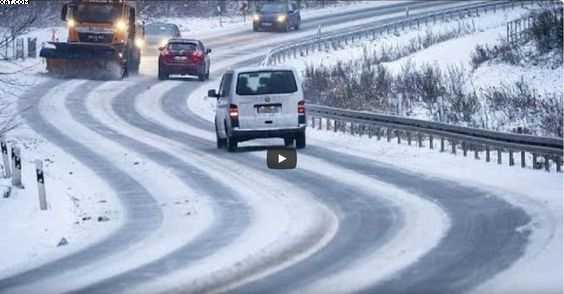
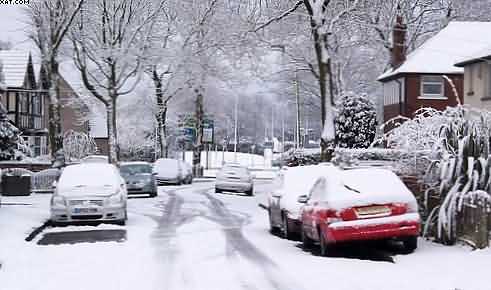
    This could be many parts of the UK on Thursday, as our first snow of the new year is expected?

    https://www.wintertyres-yorkshire.co.uk/ n